Here's the puzzle: San Jose gets about fifteen inches of rain in a good year — drier than most of the country — and yet the shower grout still spots, the window sills still bloom in February, and that closet on the north wall still smells like a basement. If the climate isn't humid, where is the moisture coming from?
From inside. Mold in San Jose homes is almost never a weather problem — it's an indoor-humidity problem, and that's good news, because indoor humidity is something you control.
Where the moisture actually comes from
A family of four releases gallons of water vapor into their home every day — showers, cooking, laundry, breathing. In summer, open windows carry it away. But San Jose's cool nights and chilly winter mornings keep windows shut for months, and that vapor has to land somewhere. It condenses on the coldest surfaces in the house: single-pane windows, north-facing walls, closet corners against the exterior, the bathroom ceiling. Add the marine layer's damp mornings pulling indoor drying to a crawl, and you have a micro-climate mold loves — inside a city where it rarely rains.
Older housing stock makes it worse. Willow Glen bungalows and mid-century ranch homes were built long before mechanical ventilation standards; many bathrooms still exhaust into nothing, or barely.
The four habits that prevent nearly all of it
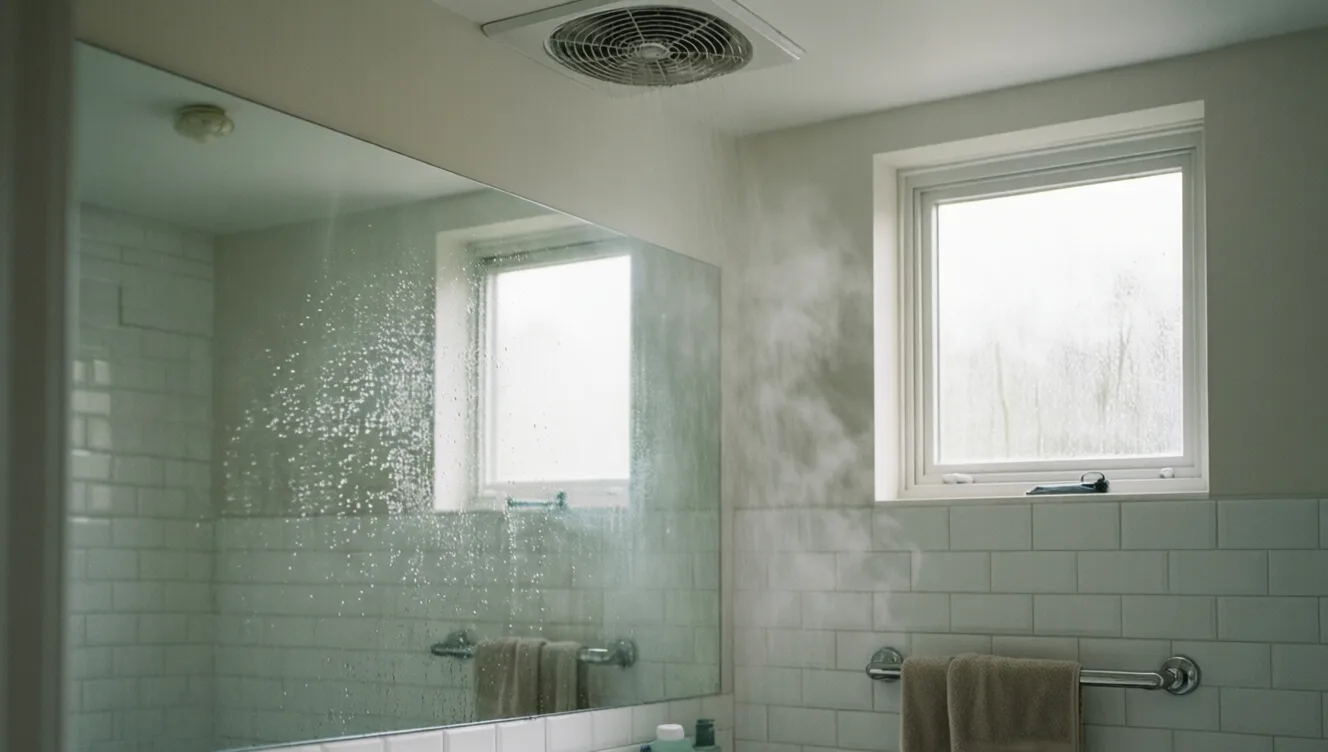
1. Run the bathroom fan longer than feels necessary. The shower puts a pint of water into the air; the fan needs 20–30 minutes AFTER you're done to clear it, not five. No fan, or a fan that can't hold a square of toilet paper against the grate? That's the single upgrade that pays for itself — until then, crack the window and close the door.
2. Give the kitchen's steam an exit. Lids on pots, the range hood actually on (vented outside if yours does), and a window cracked while the pasta boils. Cooking is the second-biggest vapor source in the house.
3. Let air MOVE in the still places. Mold picks the spots where air stands: behind furniture pushed against exterior walls, packed closets, under sinks. Pull furniture a few inches off cold walls, thin out the closet against the north side, and open those doors when the heater runs.
4. Fix small water fast. The drip under the sink, the toilet's sweating tank, the window that weeps in January — each is a standing invitation. Mold needs about 48 hours of sustained moisture to establish; a towel and a $5 washer inside that window beat remediation every time.
If your home runs damp anyway
A hygrometer costs less than lunch and tells you the truth: indoor relative humidity should sit between 30 and 50 percent. If a room reads above that for days, a small dehumidifier in that room — not the whole house — usually solves it. Bathrooms without working fans and bedrooms where windows drip in winter are the usual suspects.
Cleaning mildew before it becomes mold
Surface mildew — the gray-black spotting on grout, caulk, and painted sills — cleans off with ordinary bathroom products and a stiff brush, and prevention keeps it from returning. Two honest boundaries, because this is where DIY guides overpromise:
- Caulk that's stained through doesn't clean. Once the color is under the surface, the fix is re-caulking, not scrubbing harder.
- A patch bigger than about ten square feet, or anything growing from inside a wall, is remediation territory — that's a moisture-source problem, not a cleaning problem, and it needs the source found first.
The carpet corollary
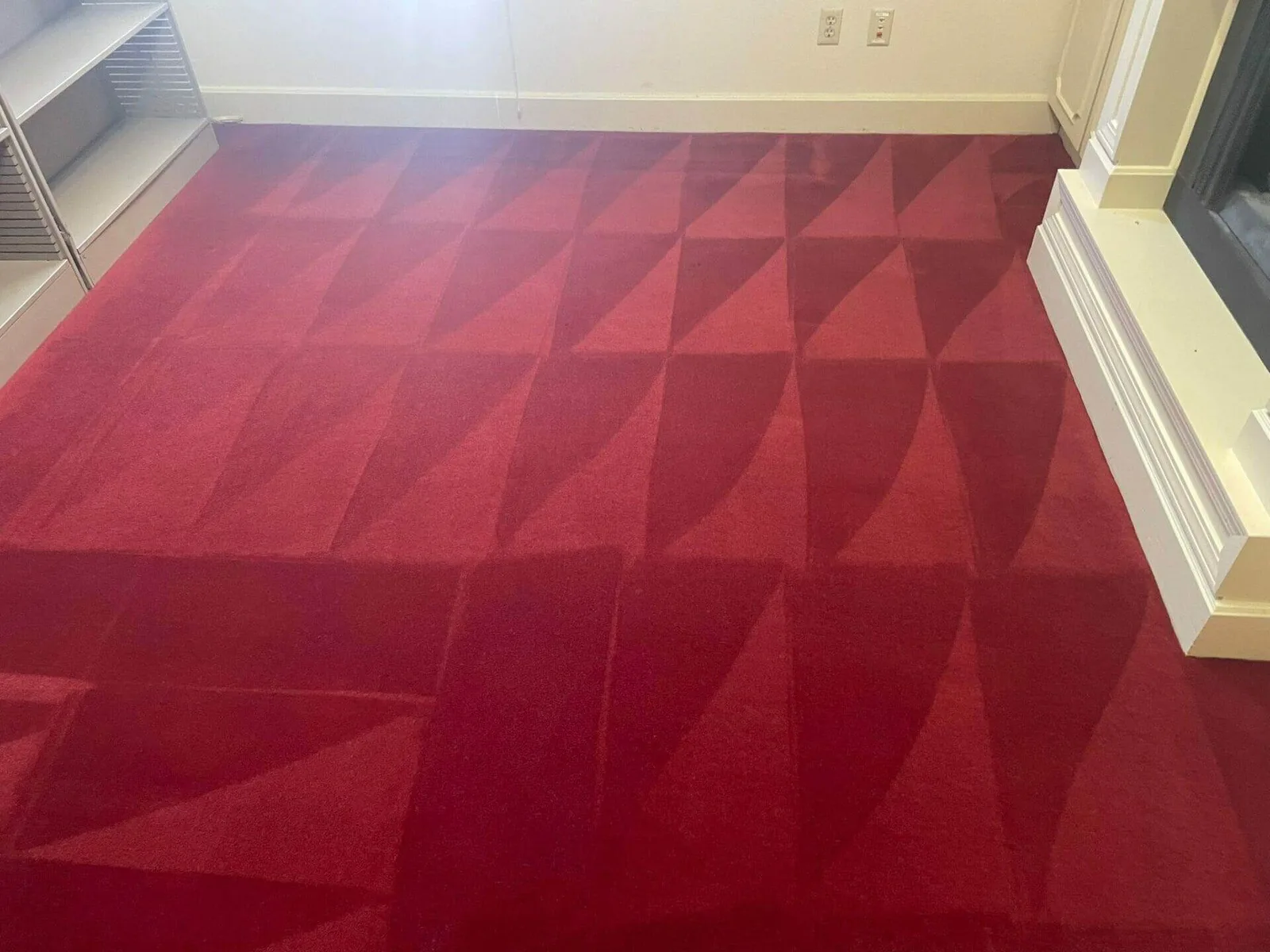
Musty carpet is the same physics at floor level: vapor condenses into the pile in cool rooms, and the pad holds it. If a room's carpet smells damp, treat the AIR first (ventilation, the dehumidifier test) — then have the carpet properly extracted. Hot-water extraction pulls out both the moisture and the biology that came with it; surface shampooing just feeds it. It's one of the most common calls we get in San Jose's winter months → Carpet cleaning service
Where professional cleaning fits
Regular professional cleaning is quiet mold prevention: bathrooms that get genuinely scrubbed (not just wiped) don't give mildew a foothold, and a crew that's in your home monthly notices the weeping window and the under-sink drip before they become the smell in the closet. That early warning has saved more than a few of our San Jose clients a remediation bill → Deep cleaning service