"Green cleaning" has a marketing problem: the label costs nothing, so everyone wears it. Here's what it actually means when it's real, who measurably benefits, and — because our standing rule is honesty — the handful of situations where green methods aren't the right tool.
What green cleaning actually is
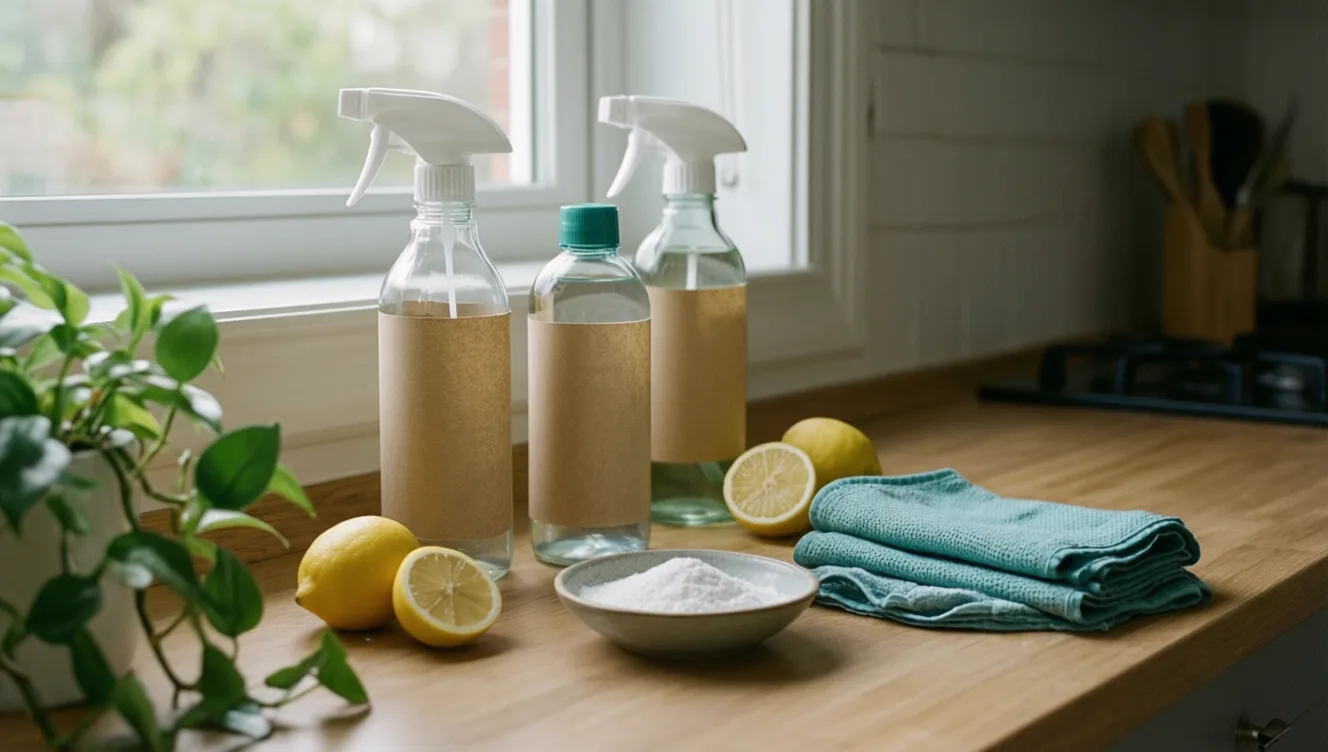
Real green cleaning is a system, not a spray bottle:
- The products: plant-based, biodegradable formulas — ideally third-party certified (Safer Choice, Green Seal) rather than self-declared — free of the harsh alkalis, chlorine bleach, ammonia, and synthetic fragrance that define conventional cleaners.
- The air: low- and no-VOC choices. Conventional products release volatile organic compounds that linger indoors for hours after the cleaning crew leaves; green products largely don't. In a closed-up home, this is the difference you can smell — or rather, can't.
- The method: microfiber (which removes soil mechanically, cutting the chemical load needed at all), HEPA-filtered vacuums that trap fine dust instead of exhausting it, and dosing products properly — the least green thing in most homes is overuse of cleaner, whatever the label.
Who genuinely benefits
Not everyone will notice the difference. These households will:
- Kids and pets — the two populations that live at floor level and put things in their mouths. Every surface a green crew cleans is a surface a toddler can lick without a poison-control question.
- Asthma, allergies, and chemical sensitivity — fragrance and VOC triggers are real and common; the post-cleaning headache some people get from conventional products isn't imagination. Green cleaning removes the trigger while still removing the allergens → Do Carpets Make Allergies Worse? The Answer Depends Entirely on One Thing
- Anyone who cooks, eats, and breathes at home — which is the gentler, universal case: the cleaning products used weekly in your kitchen end up, in trace, in your kitchen. Milder chemistry there is simply sensible.
And yes, the environmental math is real if unglamorous: what washes down San Jose drains ends up in the Bay, and biodegradable formulas break down instead of arriving.
The honest caveats
Two things the greenwashing never mentions. First, green doesn't mean weak — but it does mean technique matters more. Plant-based chemistry plus dwell time plus microfiber cleans as well as conventional products for routine work; sprayed and instantly wiped, it underperforms. The skill is the product.
Second, a few jobs still call for stronger tools: active mold remediation, certain disinfection situations, years-deep mineral scale. A trustworthy green cleaning service says so and uses the stronger chemistry precisely and rarely — targeted, ventilated, and only where needed — rather than pretending vinegar solves everything or, worse, splashing bleach "to be sure." Precision is the actual environmental win.
What to ask a "green" cleaning service
Three questions separate the practice from the label: Which products do you use, by name? (a real answer names brands and certifications), what's your approach when green products aren't enough? (the honest answer resembles the paragraph above), and do you bring HEPA equipment? Green products with a dust-spewing vacuum is half a service.
For our part: green cleaning is how we run regular and deep cleanings across San Jose for the households that want it — certified products, microfiber-and-HEPA method, and plain talk about the exceptions. Ask for it by name when you book → All cleaning services · Customized cleaning prices