At San Jose rents, a security deposit is real money — for a lot of tenants, the largest single check they'll write short of a car. And when part of it doesn't come back, the fight is almost never about damage. It's about cleaning. California actually draws a reasonably clear line about who owes what; most disputes happen because neither side knows where it sits. Here's the map — who cleans what, when, and what a deposit can and can't be docked for. (This is general information from a cleaning company, not legal advice.)
The line California draws: dirty vs. lived-in
California lets a landlord deduct from the deposit for cleaning — but only to return the unit to the level of cleanliness it had at move-in, and never for ordinary wear and tear. Those two ideas do all the work:
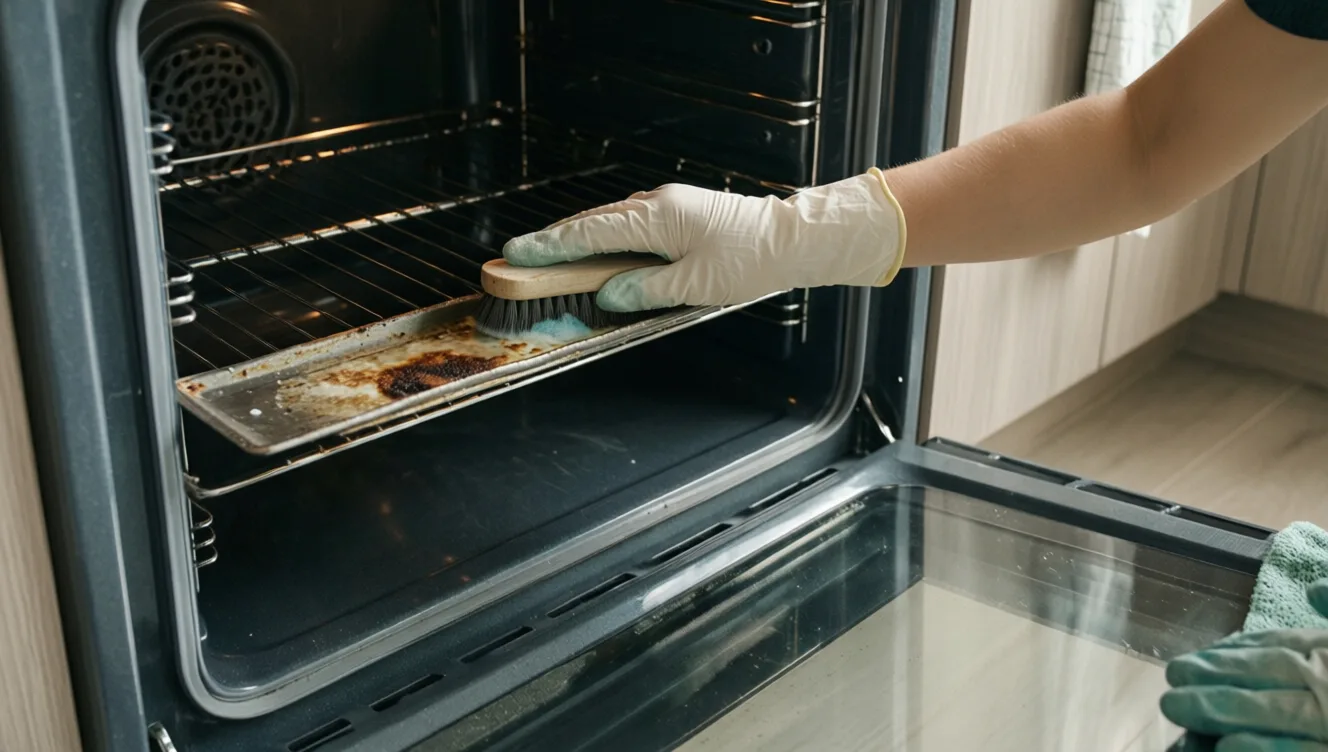
- Cleaning is anything labor would remove: grease on the stovetop, soap scum in the shower, crumbs in the drawers, a carpet that's dirty but cleanable. This is the tenant's side of the line.
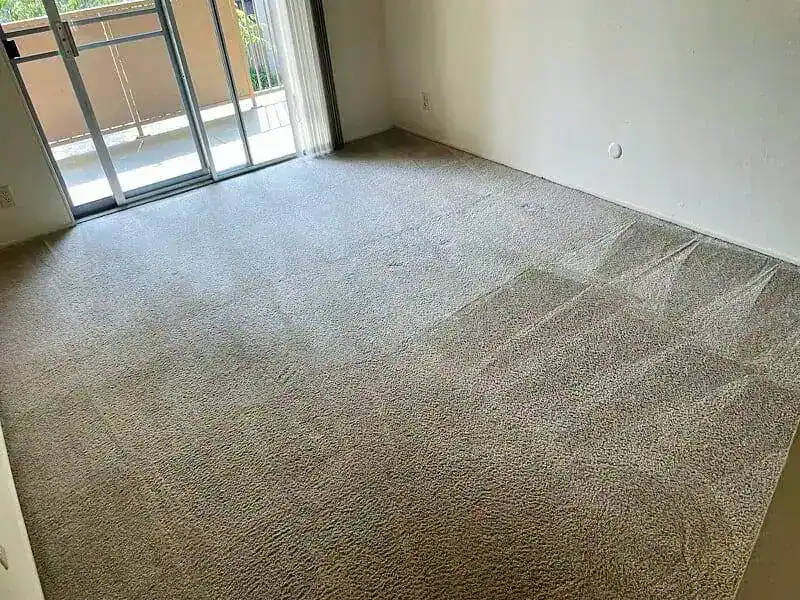
- Wear and tear is what living does to a home no matter how clean you keep it: traffic paths worn into carpet, paint faded by sunlight, small nail holes from pictures, hinges gone loose with use. This is the landlord's cost of doing business, and it can't come out of the deposit.
The short version: a tenant can owe for dirty; a tenant can't owe for lived-in. Most deduction disputes are wear-and-tear items filed under cleaning — and most of the rest are cleaning items the tenant assumed were wear and tear. Time matters too: the longer the tenancy, the more of what an inspection finds is simply wear. Five years of ordinary living leaves marks that two months doesn't, and the deposit math is supposed to account for that.
During the tenancy: sanitary vs. habitable
While the lease runs, the split is different. The tenant's ongoing duty is to keep the place sanitary: trash out, spills dealt with, kitchen and bathroom clean enough that they don't breed pests or cause damage. The landlord's duty is habitability: working plumbing and heat, a sound roof, a building free of leaks and infestations that don't trace back to the tenant.
The gray zones sort by cause. Mildew because the bathroom fan is broken is the landlord's problem; mildew because the fan was never switched on is the tenant's. A pest problem that arrived through the walls of the whole building reads differently than one that arrived with open food containers. The practical rule for tenants: report problems in writing when they appear. A leak reported in month two is maintenance; the same leak surfacing at move-out has a way of becoming a cleaning dispute.
The handoff moments: where deposits are actually decided
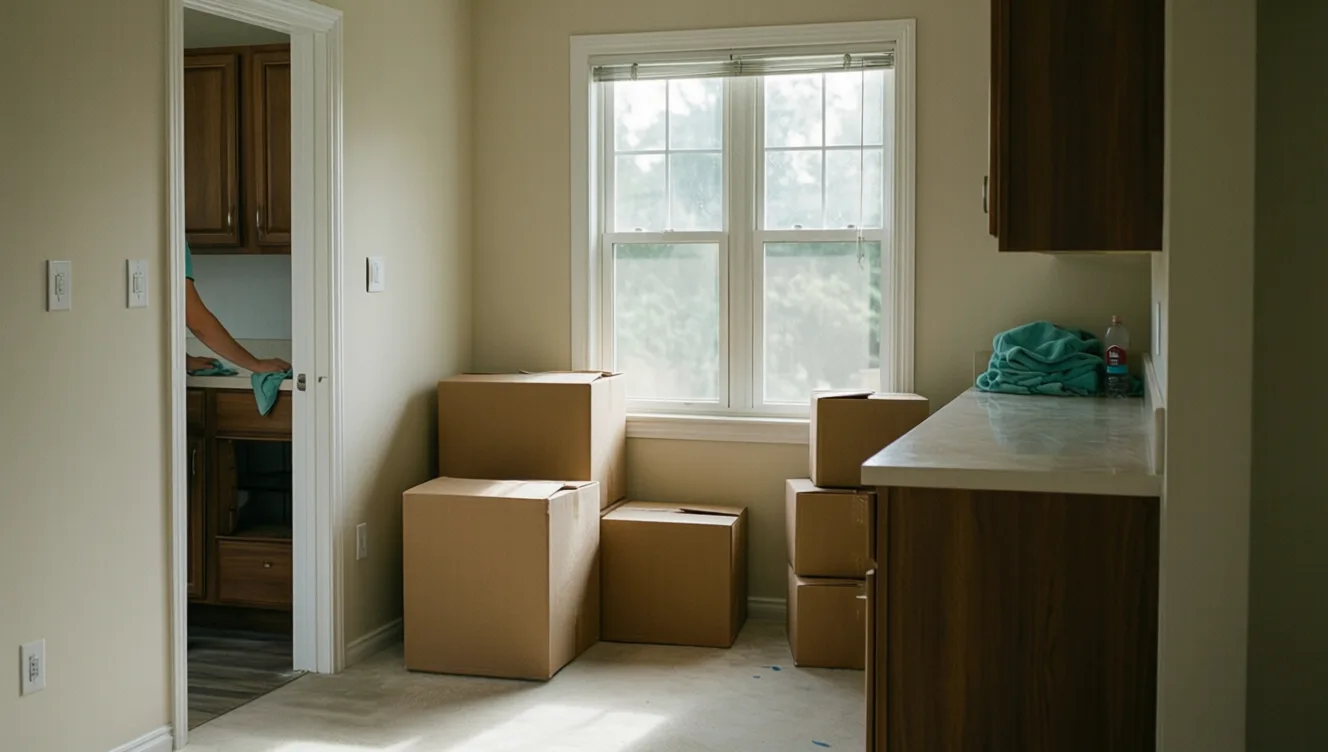
Move-in day. Document the condition before the boxes come in — photos with timestamps, and not just the rooms: inside cabinets, appliance interiors, grout, closet corners, under sinks. If the landlord offers a condition report, fill it out and keep a copy. Those day-zero photos are the cleanliness standard you'll be measured against in a few years, and your evidence if the measuring gets creative. Move-in is also the moment to fix the previous tenant's shortcuts — the full room-by-room start-fresh list is here → The Move-In Cleaning Checklist: Clean It Before the Boxes Arrive
Move-out day. The standard is simply "as clean as when you arrived." What that means room by room — what landlords actually inspect, in what order, and what most commonly costs tenants their deposit — is its own article, and it's the checklist to work from → How Much Should I Clean When I Move Out? The Deposit-Back Checklist California tenants can also request a pre-move-out inspection; take it — it converts surprises into a fixable list while there's still time to fix it.
Documentation cuts both ways, and good landlords know it: the same day-zero photos that protect a tenant from an unfair deduction protect an owner when a genuinely trashed unit needs the deposit to cover it. Both sides want the same file.
Where professional cleaning fits — both sides of the lease
Tenants buy certainty. A move-out clean built to the walkthrough standard, with a receipt, ends most cleaning-deduction conversations before they start — the landlord's evidence problem becomes very hard. The honest caveat: a professional clean resolves the cleaning column only; it doesn't erase damage or repaint walls. Pricing is flat and public → Move-in and move-out prices
Landlords buy speed. Every vacant week at San Jose rents costs more than the clean that ends the vacancy. Between-tenant cleaning is its own discipline with its own scope — defined here → What Is a Turnover Cleaning? (And How It Differs From a Move-Out Clean) — and priced just as plainly → Turnover cleaning prices
The whole map, condensed: dirty is the tenant's, lived-in is the landlord's, and everything gets easier when both ends of the tenancy are photographed and cleaned to the same standard.