Every carpet cleaner in San Jose has a favorite method, and their favorite is usually whatever equipment is in their truck. So here's the comparison with the sales pitch removed — including the verdict most articles are too polite to give.
What each method actually is
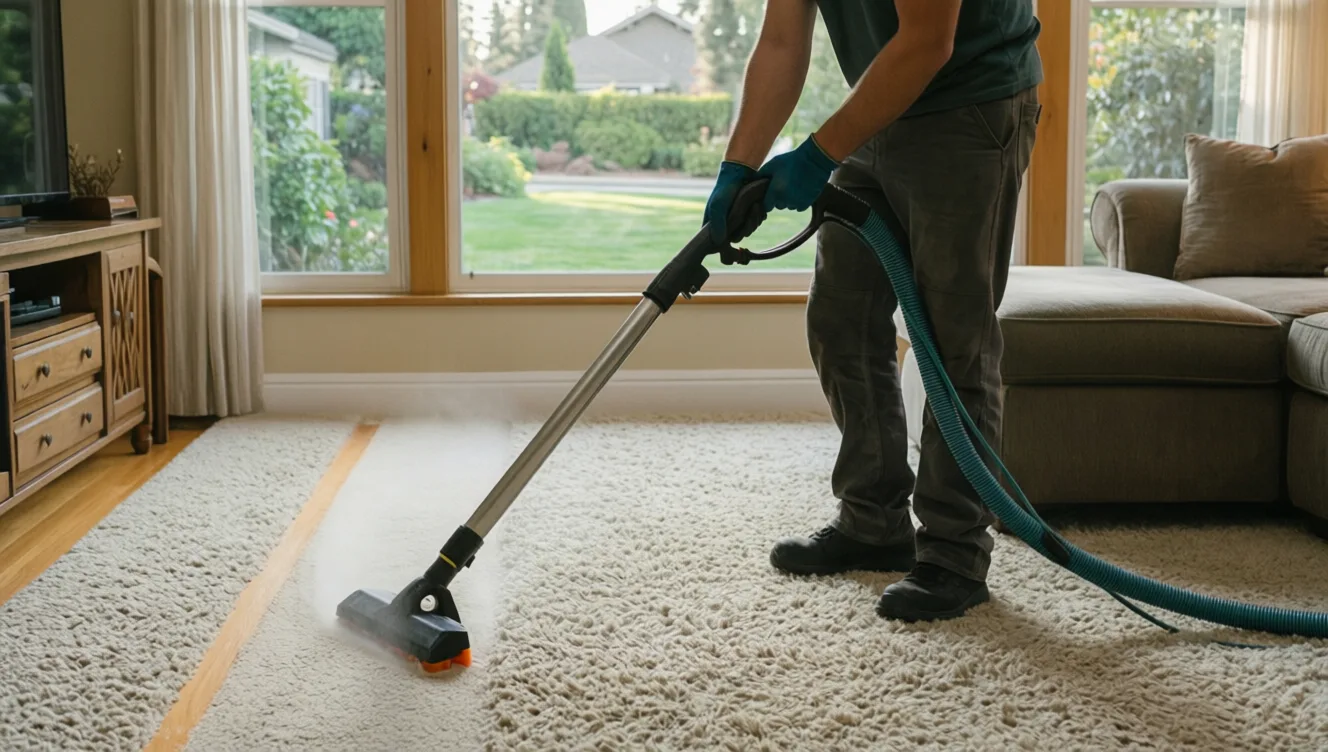
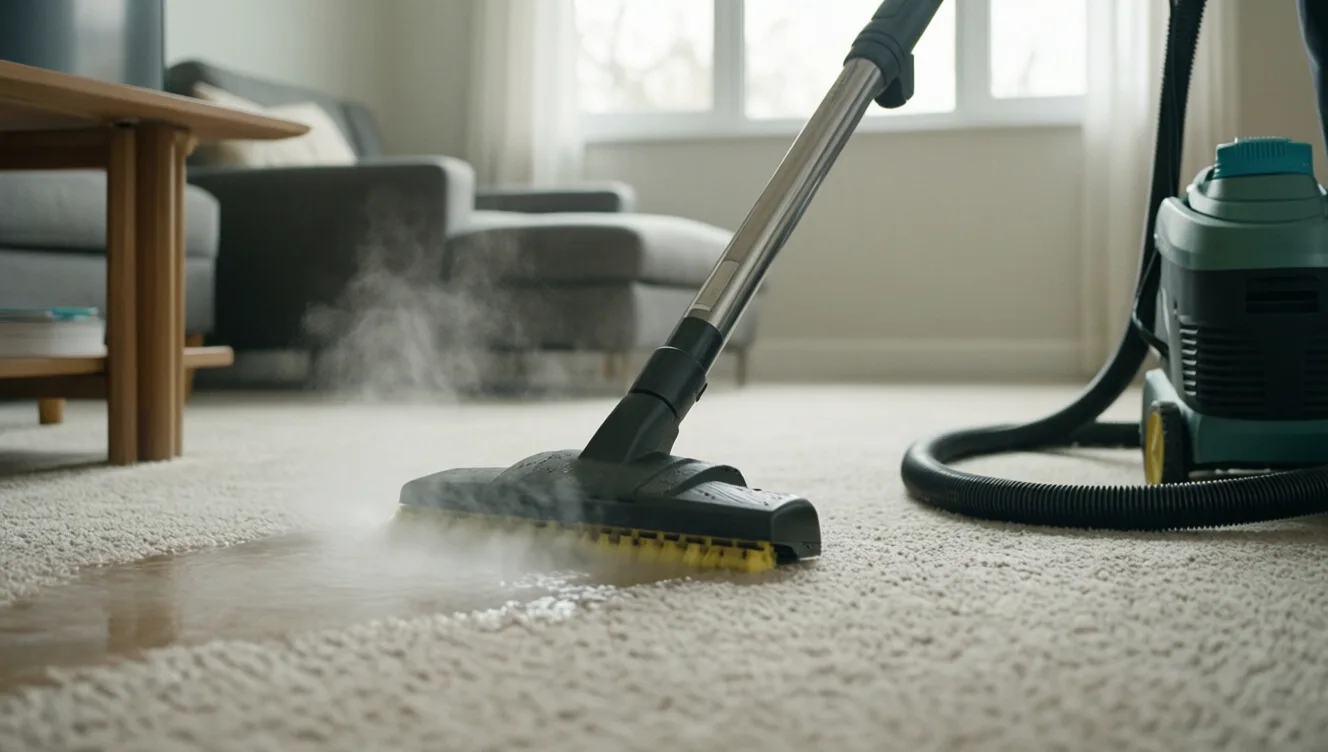
Steam cleaning — properly, hot-water extraction — injects hot water and cleaning solution deep into the pile, then pulls it back out with strong vacuum, carrying the dissolved soil with it. Despite the nickname, it's the water and extraction doing the work, not steam.
Dry cleaning — really low-moisture cleaning — spreads an absorbent compound or encapsulating solution through the fibers, lets it bond with soil, and vacuums the residue away. "Dry" is also generous: there's moisture involved, just far less of it.
The verdict, by what you're solving
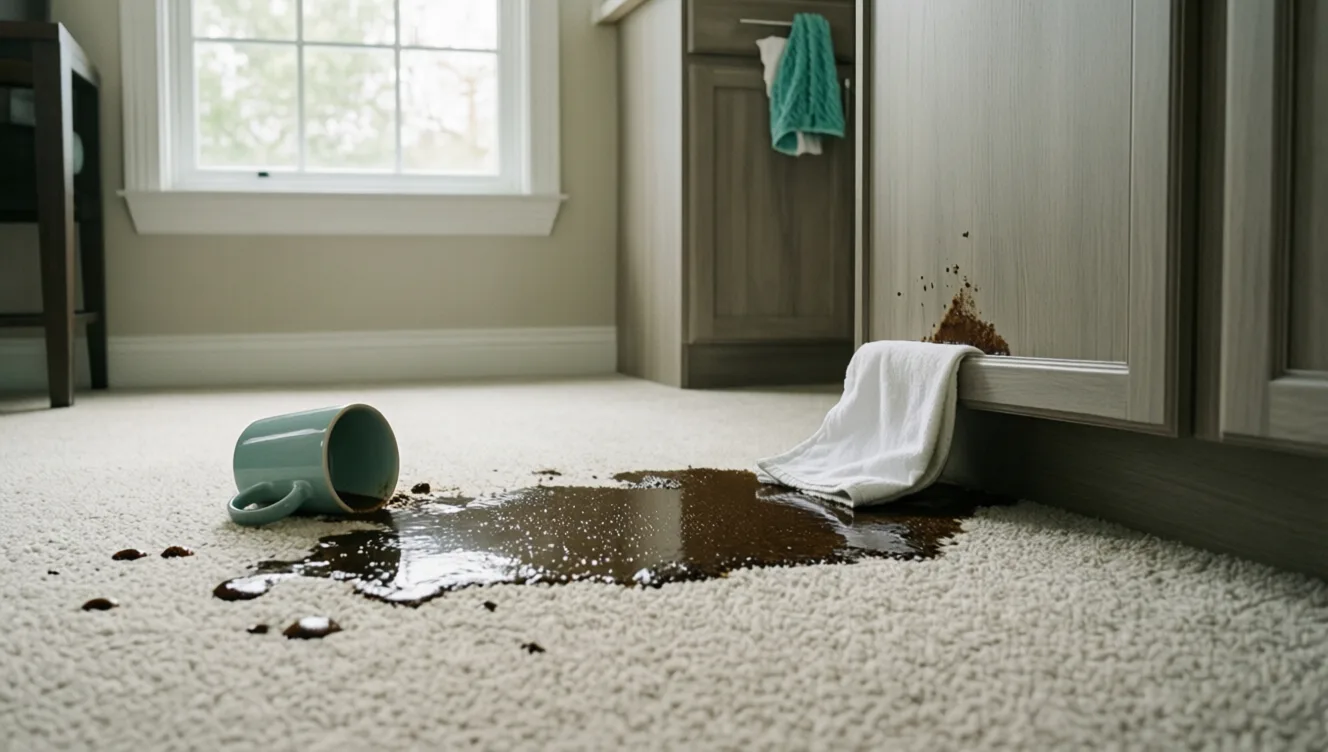
Deep-seated soil, pet accidents, allergens, the annual reset → steam. Extraction is the only method that flushes the pile down to the backing, which is why carpet manufacturers specify periodic hot-water extraction in their warranty terms. The heat also does real sanitizing work on bacteria and dust mites — the things a family with kids, pets, or allergies is actually paying to remove.
Same-day use, moisture-sensitive fibers, interim refreshes → dry. Low-moisture cleaning shines where extraction's one real cost — dry-down time — is unacceptable: a business that can't close, an event tonight, or natural-fiber rugs that don't tolerate saturation. It keeps surfaces presentable between deep cleans; it does not replace them.
Set-in stains → steam, with pre-treatment. Dry compounds handle light, surface-level soil. A stain that has bonded with fiber needs chemistry, heat, and extraction — in that order.
The three honest trade-offs
Drying time. Extraction done right dries in 4–8 hours in our climate (faster with fans and open windows; longer in January). Done wrong — too much water, weak vacuum — it takes a day and risks that damp-carpet smell. This is a technician-quality question more than a method question, and it's worth asking a company directly: "what's your typical dry-down time?" Low-moisture cleaning is walkable in about an hour, which is its entire value proposition.
Cleaning depth. No contest: extraction cleans deeper. A dry-cleaned carpet can look great while the bottom third of the pile stays loaded with the grit that grinds fibers down. If you only budget for one professional method, this is why it should be extraction.
Residue. Extraction rinses; dry methods leave some compound behind by design. Done well it's negligible, but repeated dry-only cleaning builds up residue that actually attracts soil faster — the treadmill that makes some carpets look dirty two weeks after "cleaning."
What about cost?
For a typical San Jose home the methods price in the same neighborhood, and the difference matters less than what you get: extraction delivers more cleaning per dollar for scheduled maintenance, and low-moisture delivers convenience you pay for when you genuinely need same-day turnaround. Be suspicious of dramatically cheap offers with either label — bait-and-switch pricing is the carpet industry's oldest trick, and a legible written quote beats a phone-quote "special" every time.
The one-question test
Can this carpet be out of service overnight? If yes — and at home, it almost always can — schedule hot-water extraction and let it dry properly. If genuinely no, low-moisture cleaning is the honest compromise. That's the entire decision, and it's why our carpet service across San Jose and Santa Clara County leads with truck-grade extraction, quotes real dry-down times up front, and doesn't upsell a second method you don't need → Carpet cleaning service · Carpet and rug cleaning prices