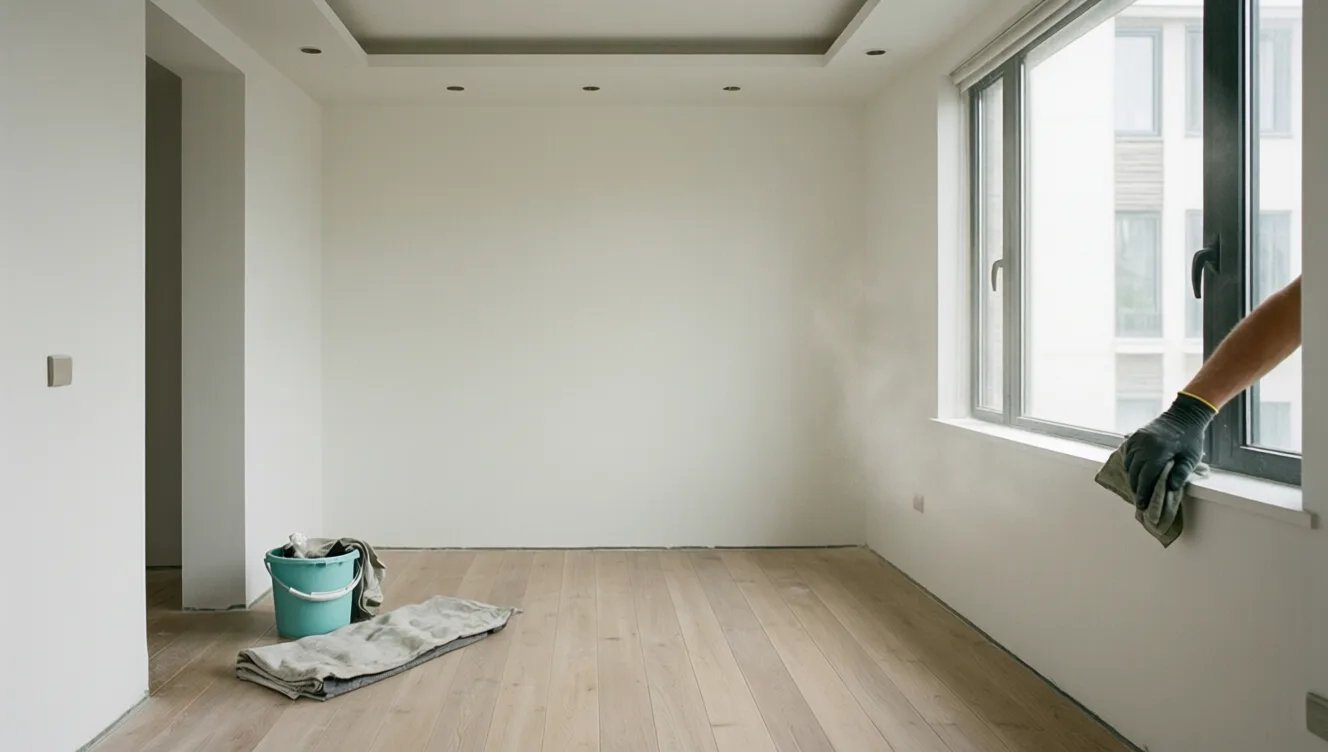
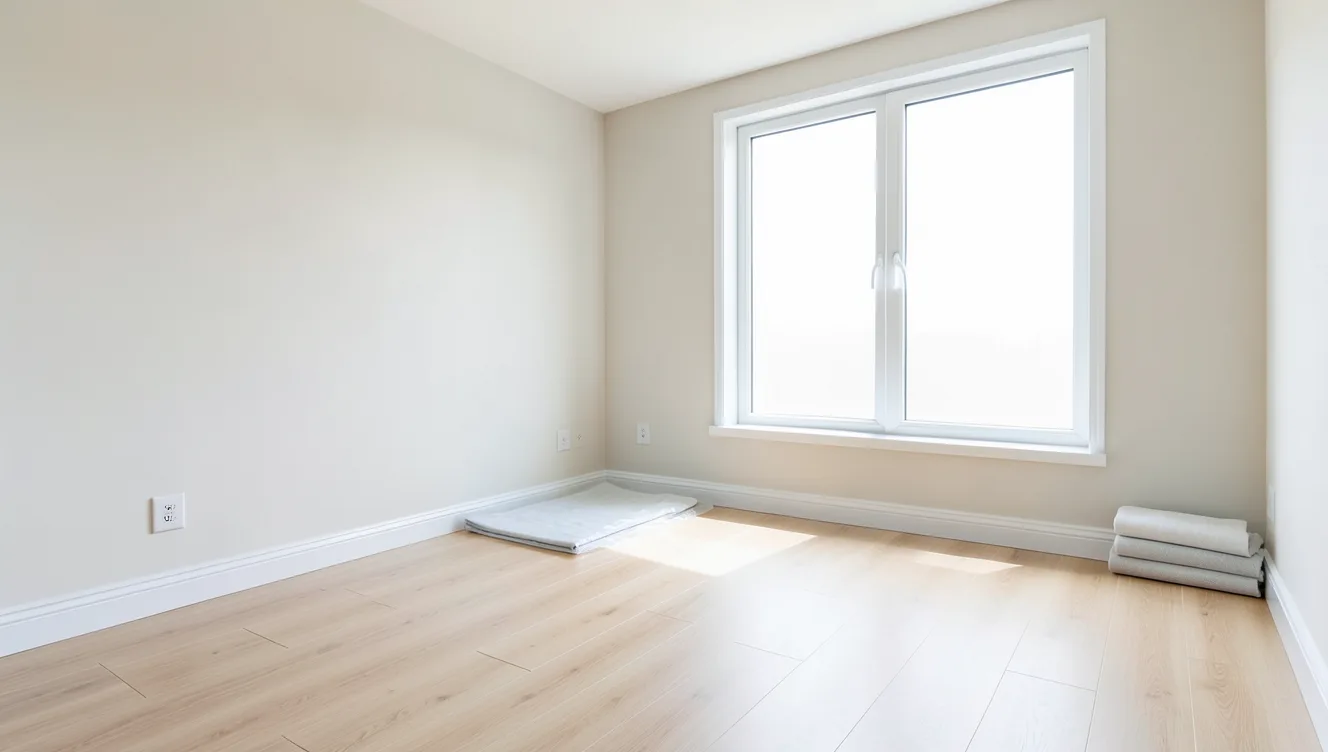
The renovation is done, the crew is gone, and every surface in your San Jose home wears the same gray film. Here's what nobody tells homeowners: construction dust doesn't behave like house dust. It's finer, it's abrasive (drywall gypsum, wood flour, cement fines), it airborne-cycles for days, and wiped wet in the wrong order it turns to smear and grit that scratches the very finishes you just paid for. So this checklist is mostly about sequence — the same sequence our post-construction crews run.
The two laws
Law one: top down. Ceiling, fixtures, walls, trim, counters, floors — in that order, always. Dust falls; cleaning upward means cleaning twice.
Law two: dry before wet. Vacuum and dry-dust every surface before any damp cloth touches it. Wet-wiping construction dust makes paste, and paste full of gypsum grit is sandpaper on new paint and fresh finish.
And a law-zero for your lungs: wear a mask for the first pass, run a HEPA-filter vacuum (a shop vac without one just aerosolizes the fine stuff), and open windows. Renovation dust is exactly what allergic and asthmatic airways don't want.
Pass one: the rough clean
Sweep and bag the visible debris, pull the protective film and stickers off new windows and appliances, and vacuum everything — floors, sills, inside cabinets and drawers (drywall dust settles inside closed cabinets; check and be amazed), closet shelves, window tracks. This pass is about volume, not shine.
Pass two: the detail clean, top down
- Ceilings, fans, and fixtures. Microfiber-dust the ceiling corners, fan blades, and every light fixture — ladders required, and worth it, because these rain dust onto everything below them for weeks if skipped.
- Walls and trim. Dry microfiber first; then a barely-damp pass on painted walls, gentle on fresh paint (fully cured paint takes weeks — scrub a scuff softly or leave it for the painter's touch-up kit). Baseboards and crown molding cake worst; give them their own trip around each room.
- Windows. Glass cleaner on the panes, vacuum nozzle in the tracks, a plastic scraper — never metal — for adhesive residue.
- Doors and frames. Tops of frames (dust shelf), both faces, handles and locks.
- Cabinets, shelves, counters. Inside and out, then sanitize the surfaces food and hands will touch.
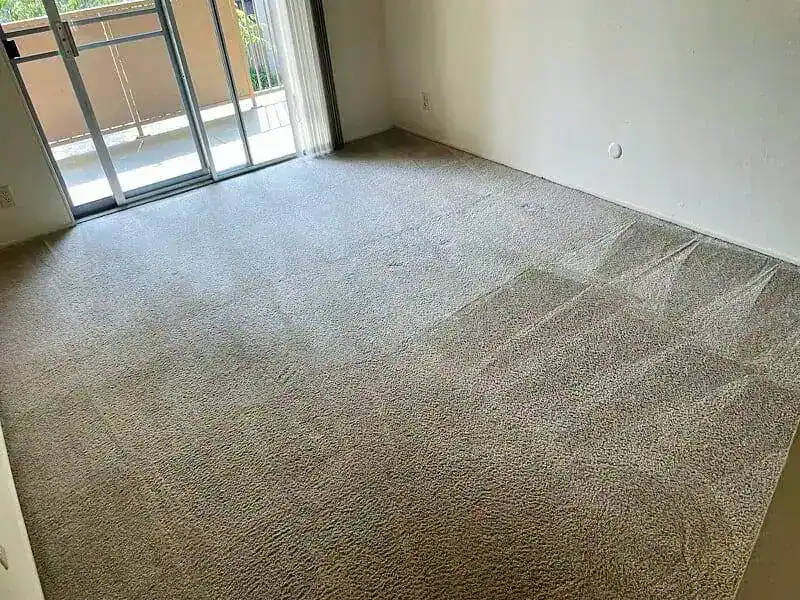
- Floors last. Vacuum again (yes, again — the passes above just fed them), then mop with the cleaner your specific flooring wants: wood-safe on hardwood, and nothing waxy on a freshly refinished floor until the finisher's cure window has passed.
Pass three: the settle-and-touch-up
Fine dust hangs in the air and resettles for a day or two. The pros schedule a return touch-up pass; at home, plan a short re-dust of horizontal surfaces two days later instead of wondering why the counters feel gritty again. This is also the inspection pass — switch plates, outlet covers, vents, under and behind everything — the exact spots that get flagged on a final walkthrough.
DIY or hire it?
Honest sizing: a bathroom refresh is a weekend DIY with this checklist. A kitchen remodel or whole-home renovation is 20–40 labor-hours of ladder-and-HEPA work, and it's the one cleaning job where inexperience can cost real money — wrong products on new finishes, grit ground into new floors. That's the version to hand to a crew that does it weekly → Post-construction cleaning service · Post-construction cleaning prices
Builders and contractors: the walkthrough-readiness version of this process is its own piece → Post-Construction Cleaning: What Builders Should Expect From a Cleaning Sub