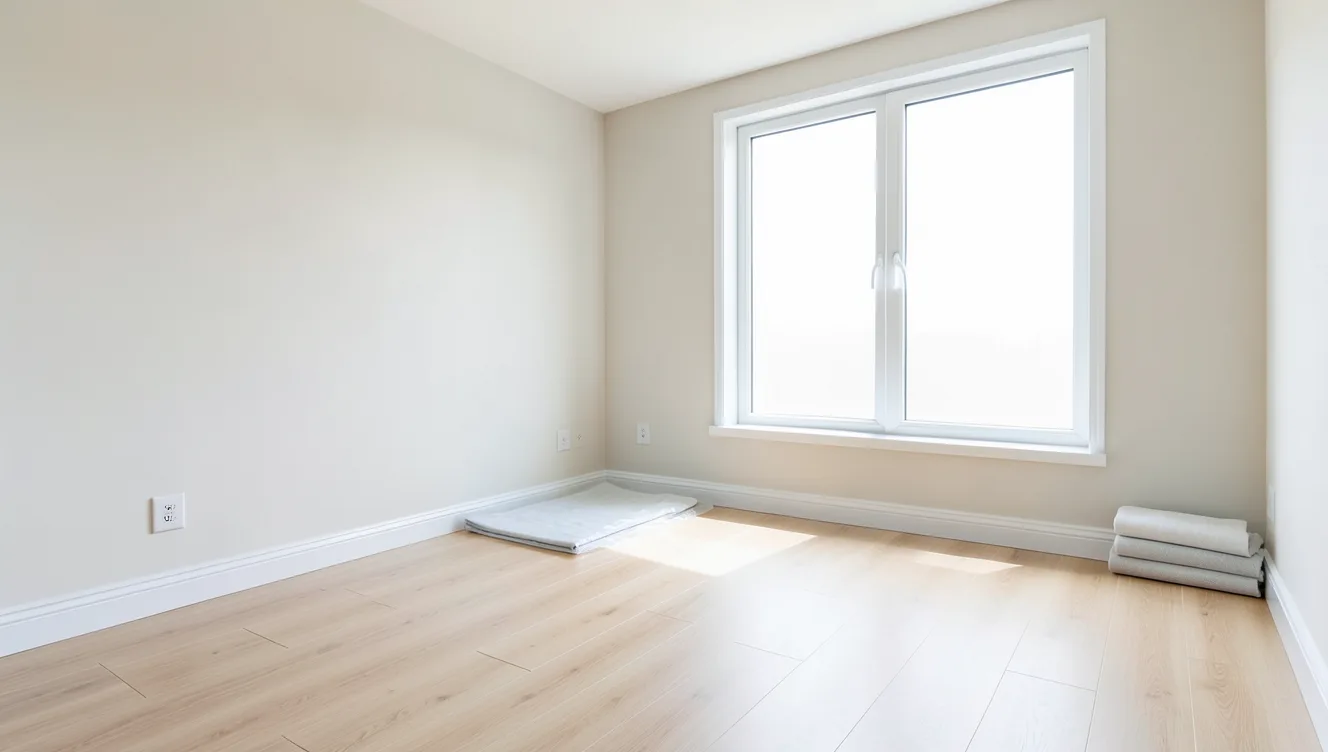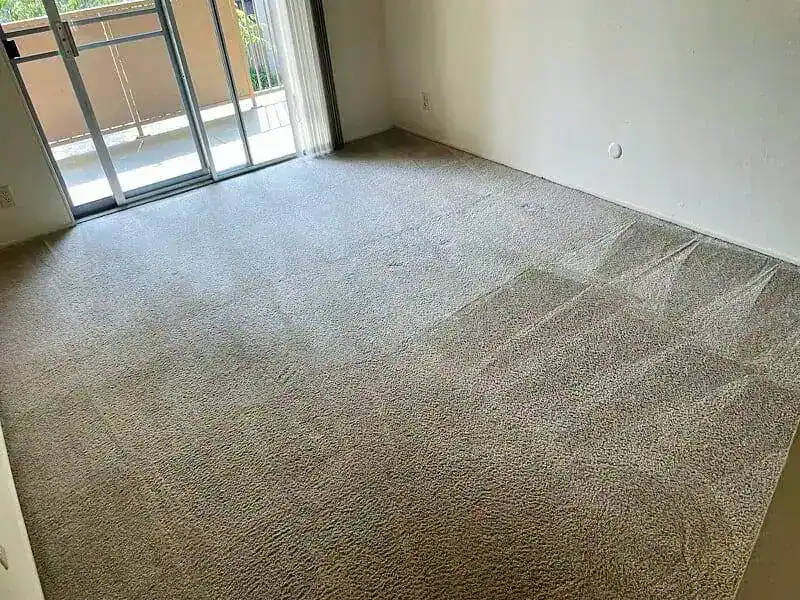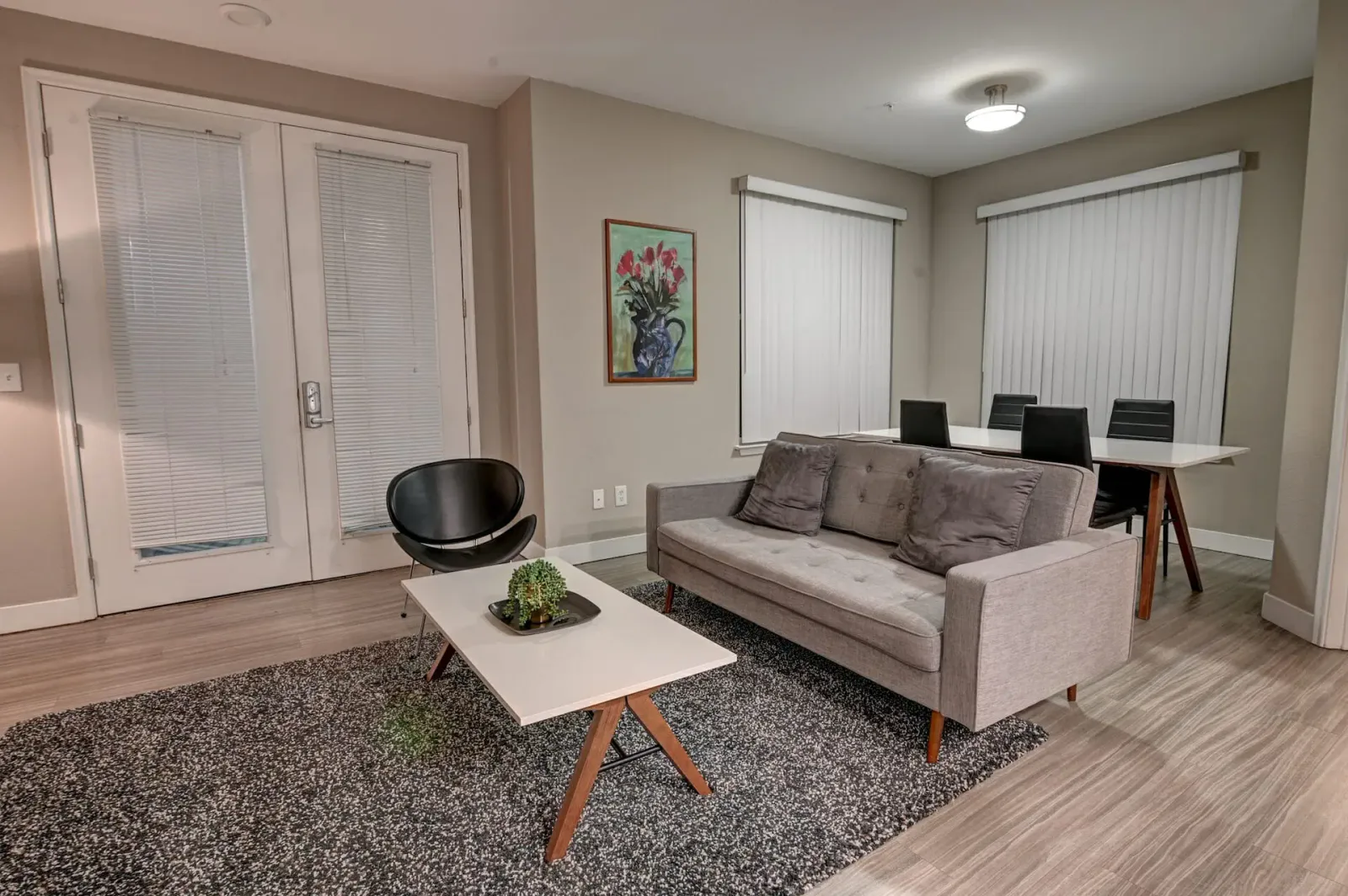
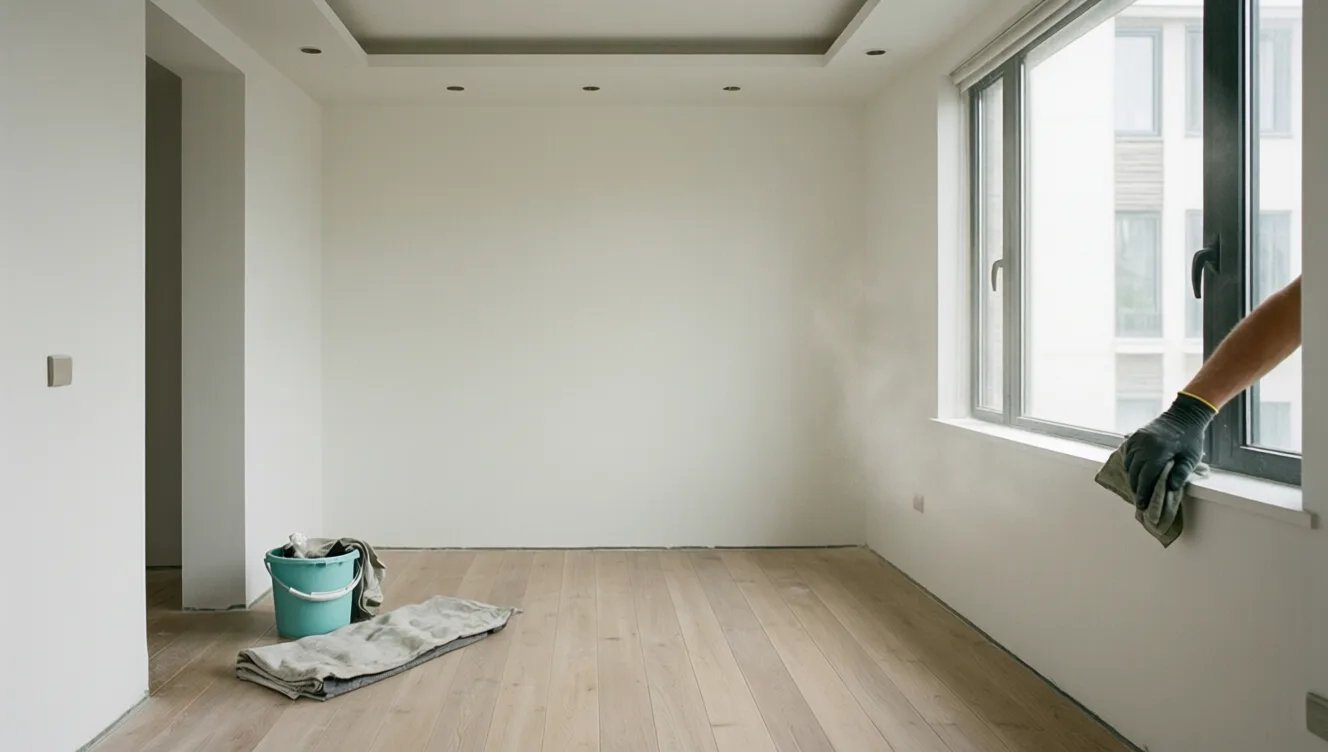
Every builder knows the moment: the work is done, the punch list is closing, and the client walks in — running a finger along a windowsill. Final clean is the last trade on the job and the only one the client inspects with their hands. For San Jose and Santa Clara County builders, here's what a professional post-construction cleaning partner should deliver, and why the good ones pay for themselves in call-backs that never happen.
What final clean actually covers
Construction cleaning is a different trade from housecleaning — finer dust, newer finishes, higher stakes. The scope that should be on the work order:
- Fine-dust removal, top down — ceilings, fixtures, walls, trim, then floors, with HEPA equipment so the dust leaves the building instead of relocating.
- Interior of everything — cabinets, drawers, closets, and shelving, where drywall dust settles behind closed doors and waits for the client's first reach inside.
- Glass and tracks — panes, frames, sills, and the window tracks that collect a sediment of debris; sticker and adhesive residue removed with plastic tools that don't scratch.
- Paint splatter and residue where safely removable — and flagged, not scraped, where removal risks the finish underneath.
- Floors finished to spec — vacuumed, damp-mopped with finish-appropriate product, and left ready for the photographer.
- Fixtures, switches, vents, and hardware — the small chrome that reads as "new construction" only when it gleams.
The parts that get flagged
Walkthrough complaints cluster in the same four places on every project: drywall dust inside cabinets, caked baseboards and door-frame tops, residue on light fixtures and switch plates, and grit in window tracks and registers. A cleaning sub that works from a checklist covering those four is preventing your call-backs; one that "wipes everything down" is scheduling them.
Sequencing with your schedule
The clean belongs after the last dust-making trade and before the final walkthrough — obvious, and routinely violated. A professional partner sequences in three stages when the project needs it: a rough clean after major trades wrap, the detail clean once finish work is done, and a touch-up pass timed to the walkthrough itself, because fine dust resettles for days after the detail clean. On tight closings, that last pass is the difference between a signed acceptance and a punch-list addendum. Crews that work evenings and weekends keep the clean off your critical path entirely.
Why builders outsource it
The math is unsentimental: your finish carpenters cost too much to run vacuums, the client's perceived quality of the entire build keys off surfaces the cleaning determines, and every flagged dust complaint is a return trip that costs more than the cleaning contract did. Builders who keep a cleaning partner on speed dial aren't buying clean — they're buying schedule certainty and a shorter punch list.
It's ideal for new construction, kitchen and bath remodels, office build-outs, and partial renovations — all of which we clean for builders across San Jose and Santa Clara County, on written per-project pricing you can plug straight into a bid → Post-construction cleaning service · Post-construction cleaning prices
Handing the checklist to a homeowner instead? The DIY version is here → The Post-Construction Cleaning Checklist (How the Pros Sequence It)