Start with the fact that reorganizes everything: pet allergy isn't about hair. The allergen is a set of sticky proteins in dander (skin flakes), saliva, and urine — proteins that ride on hair but don't come from it, cling to walls and fabric, stay airborne for hours, and persist in a home for months after a pet leaves. That's why the "hypoallergenic breed" is mostly a hopeful myth (all cats and dogs produce the proteins; some shed less carrier hair), why shaving the dog changes nothing, and why the answer for allergic pet households isn't one magic product — it's layers. Here are the five, in order of impact.
Layer 1: HEPA everything
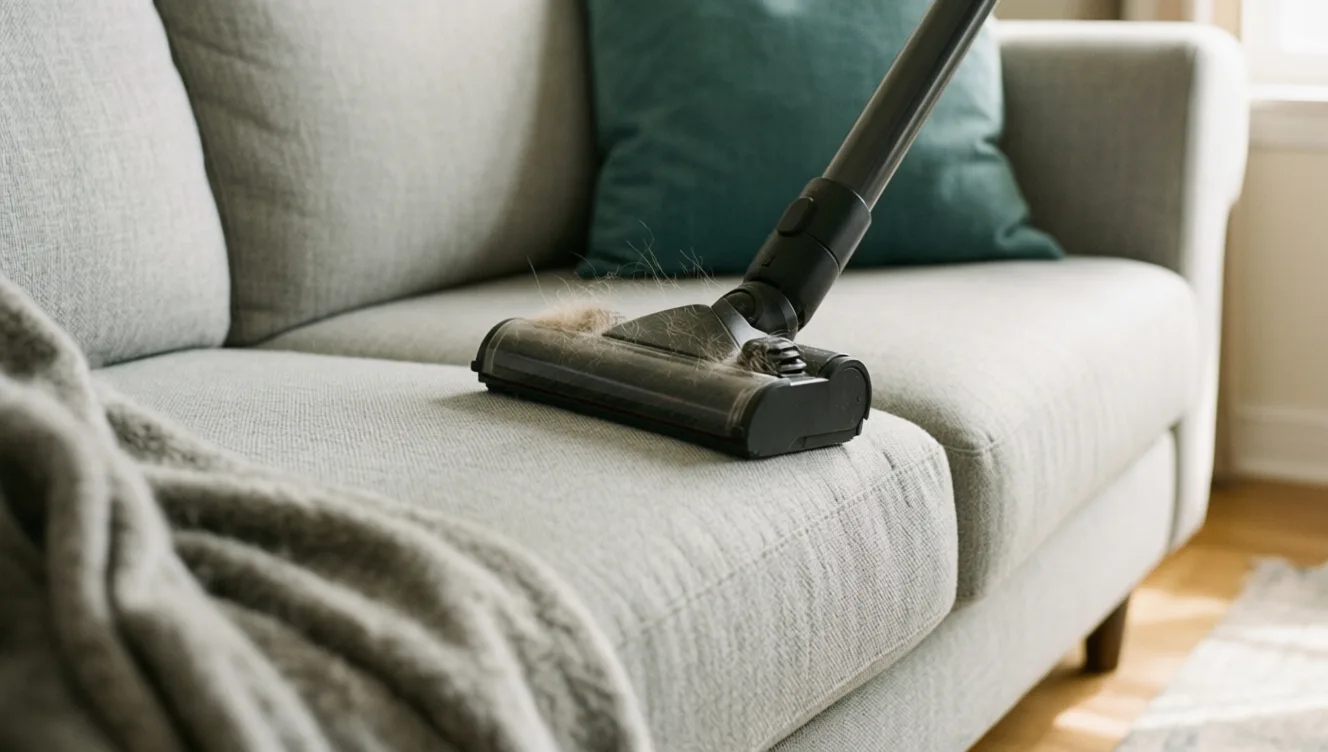
The allergen particles that matter are small enough to sail through a cheap vacuum and back into the room at nose height. A HEPA-filter vacuum, run slowly, twice a week on floors and the pet's favorite furniture, is the single highest-impact purchase — and a HEPA air purifier in the bedroom is its airborne partner. Non-HEPA vacuuming a pet home is allergen redistribution with extra steps.
Layer 2: The bedroom stays pet-free
Eight hours a night, face-down in one room — the bedroom is a third of your exposure budget. Making it a pet-free zone (door closed, purifier running, bedding on a weekly hot-wash cycle) gives an allergic body a nightly recovery window that no amount of whole-house cleaning matches. It's the layer nobody wants and everybody's sinuses thank them for. Mattresses hold their own reservoir → the care routine is here → Mattress Care: The Six Habits That Keep Your Bed Actually Clean
Layer 3: Wash what the pet touches, on a clock
Dander loads into fabric first: pet beds, blankets, throw covers, your bedding, the couch cushions. Everything washable goes on a hot cycle weekly — the pet's things and yours. Washable covers on the pet's favorite furniture turn a permanent reservoir into a laundry item.
Layer 4: Groom the source
Regular brushing — outdoors, ideally by the household's non-allergic member — plus periodic bathing with pet-appropriate shampoo cuts the dander supply at its origin. It doesn't eliminate the proteins (nothing does), but every gram captured in a brush outdoors is a gram that never joins the indoor economy. Your veterinarian can also help: skin health affects dander production more than most owners know.
Layer 5: Empty the deep reservoirs on schedule
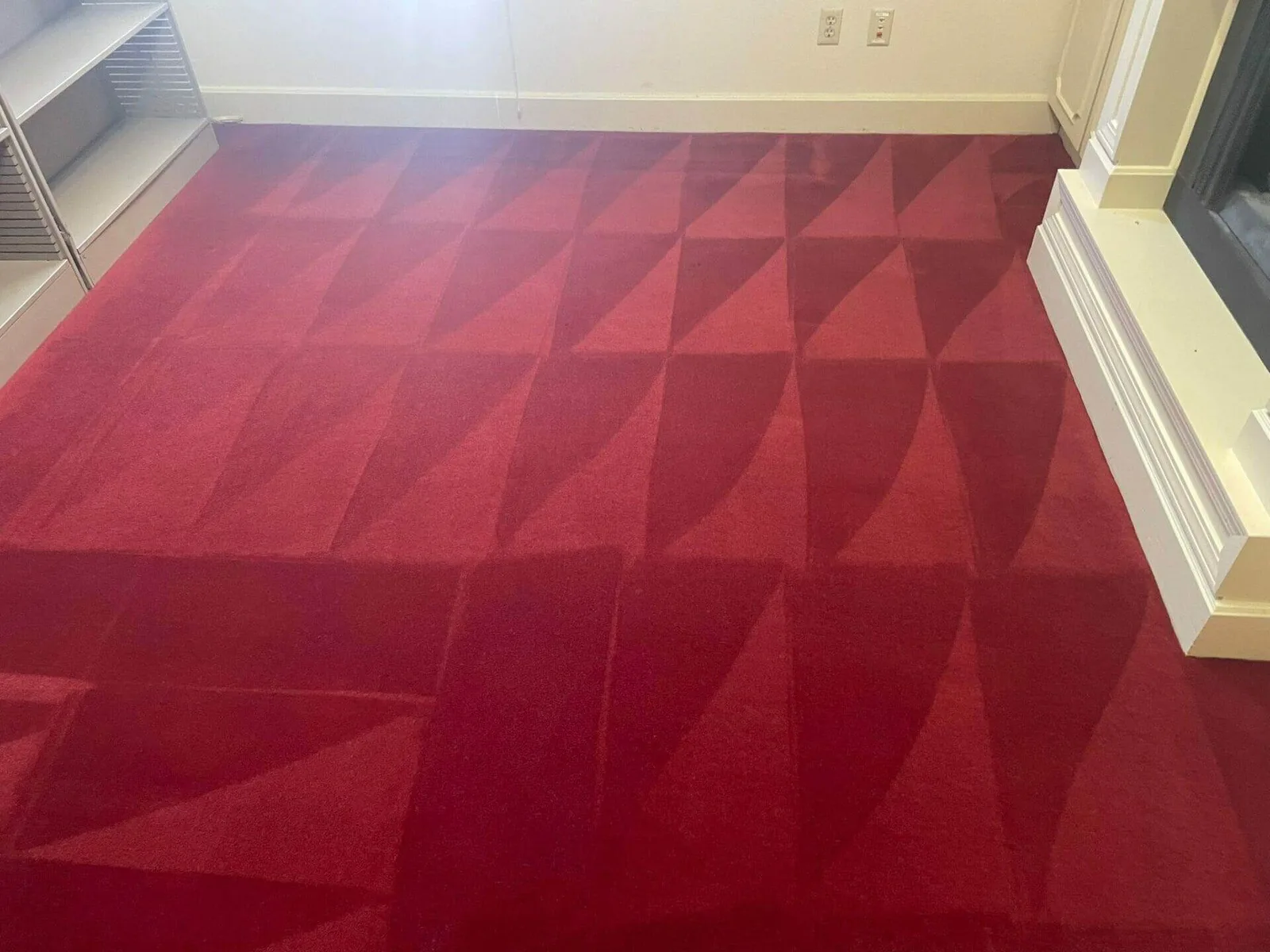
Surface cleaning maintains; the deep reservoirs — carpet pile, upholstery padding — hold months of accumulated allergen that only extraction removes. For allergic pet households, hot-water extraction every 3–6 months on carpets and periodic upholstery cleaning is the layer that resets the baseline all the other layers maintain → the full mechanics are here → Do Carpets Make Allergies Worse? The Answer Depends Entirely on One Thing · and pet odor is its own chemistry → How to Actually Get Pet Odors Out of Carpet (San Jose Edition)
The honest expectations
Run all five layers and most mildly-to-moderately allergic people live comfortably with their pets — that's the real-world outcome we see in client homes constantly. What layers can't do is make exposure zero, and serious allergies deserve an allergist's input alongside the vacuum schedule. What we can carry is the heavy layer: HEPA-method regular cleaning plus scheduled extraction, which is precisely the service allergic pet households across San Jose keep on their calendar → All cleaning services · Carpet cleaning service