Indoor air gets discussed in vague dread — "pollutants," "toxins," "harmful substances." Let's name things. In a Santa Clara home, the air you breathe carries four specific loads, each with a known source and a known fix — and cleaning, done certain ways, measurably moves them. Done other ways, it makes them worse.
The four loads
1. Settled dust that won't stay settled. Skin flakes, fabric fiber, tracked-in grit, dust-mite debris — it settles on every horizontal surface and into carpet, then re-launches with every footstep, couch-flop, and dry-dusting pass. This is the biggest load by volume in nearly every home.
2. Pollen, seasonally. The South Bay's spring bloom doesn't stay outside — it rides in on shoes, clothes, pets, and open windows, then joins the dust economy above. May's sneeze is often happening indoors.
3. Mold spores, from the wet season. Winter moisture plus a poorly ventilated bathroom or an unnoticed leak grows colonies whose spores travel house-wide. The smell arrives before the visible patch → Preventing Mold and Mildew in San Jose Homes: What Actually Works
4. VOCs — including from cleaning products. Volatile organic compounds off-gas from paints, new furnishings, air fresheners, and, ironically, conventional cleaners. The lemon-fresh smell after cleaning day is a VOC plume → the low-VOC alternative is a real fix → Green Cleaning, Honestly: What It Is, Who It's For, and When It Isn't Enough
The interventions, ranked by impact
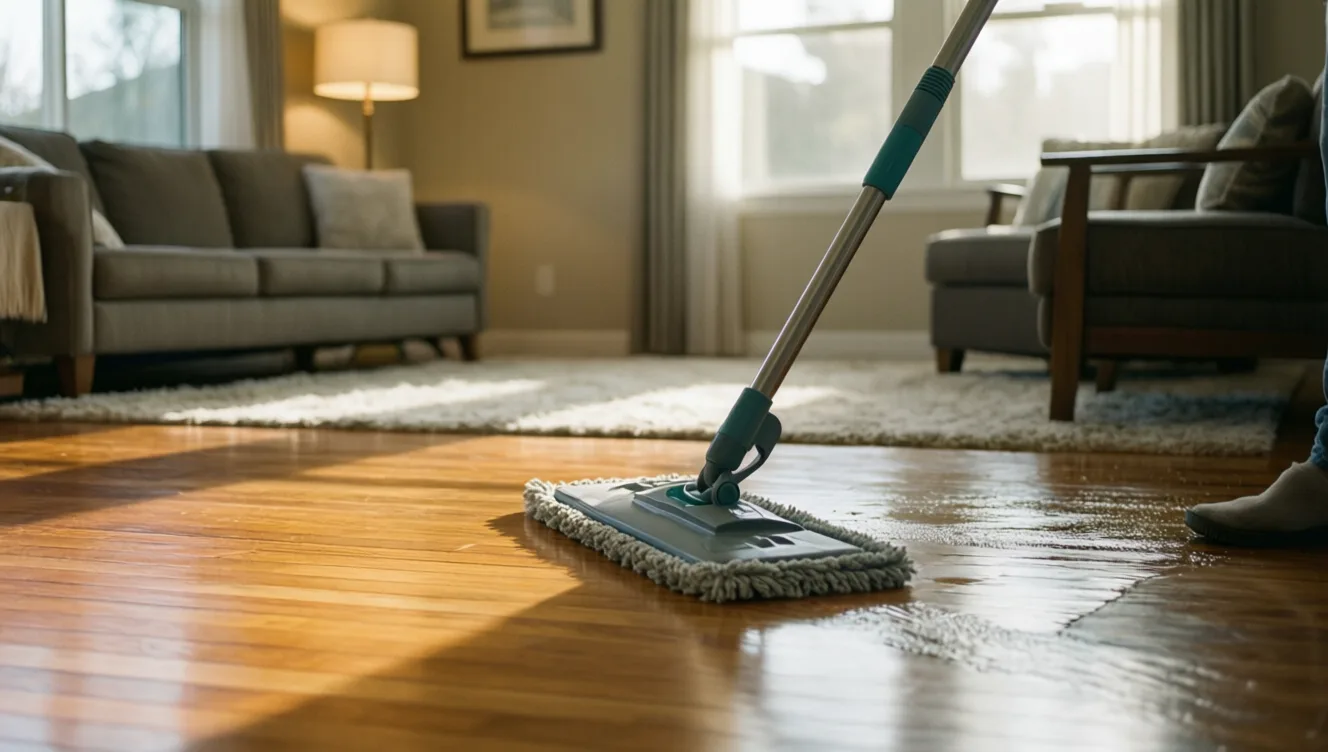
HEPA vacuuming — the whole game's foundation. A vacuum's filter decides whether it removes fine particles or shreds them fine and exhausts them at nose height. HEPA machines, run slowly, twice a week, remove the dust economy's inventory; cheap vacuums redistribute it. If you change one thing, change this.
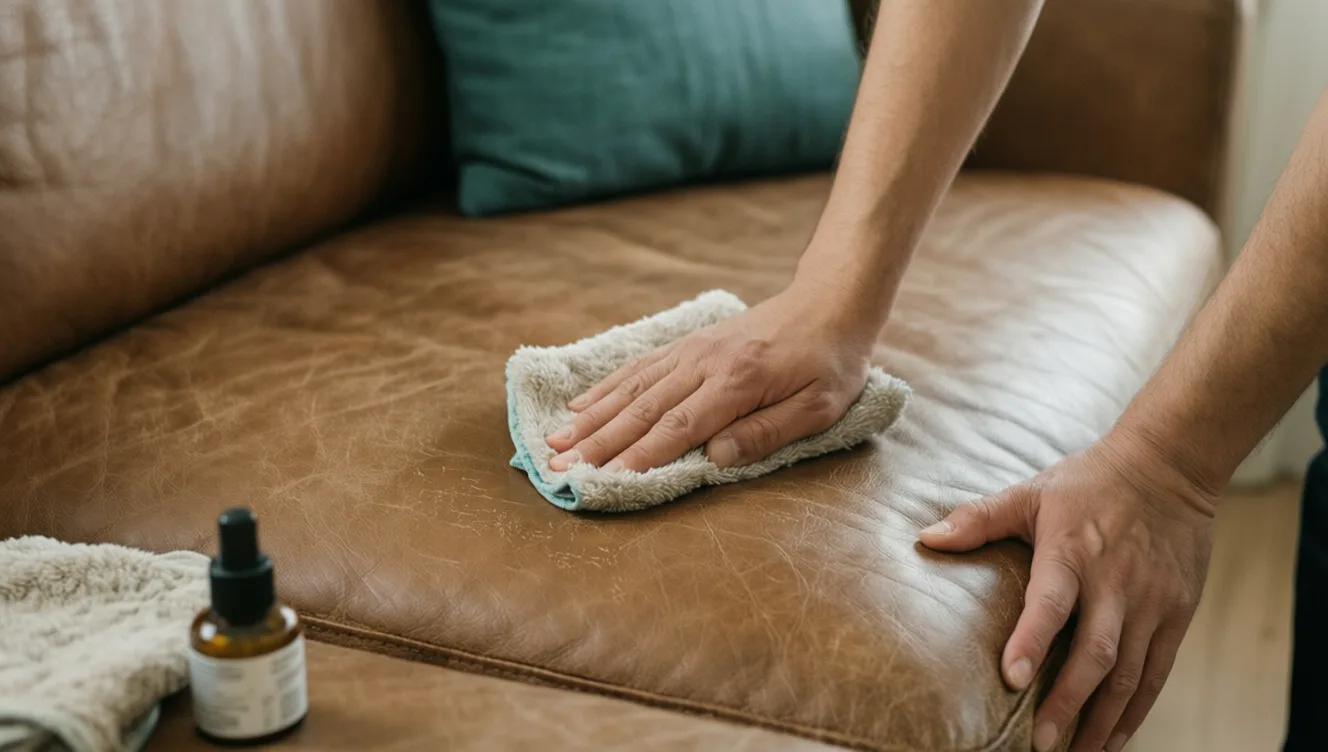
Carpet and upholstery extraction, on a schedule. Soft surfaces are the home's particle reservoirs — the deep pile holds what vacuuming can't reach, and periodic hot-water extraction empties the reservoir instead of skimming it → Do Carpets Make Allergies Worse? The Answer Depends Entirely on One Thing
Damp dusting, not dry flicking. A dry duster is a particle launcher. Damp microfiber captures; the top-down order keeps what falls falling onto uncleaned surfaces. Method beats frequency here.
The mechanical helpers. HVAC filters changed on schedule (the cheapest air-quality purchase in existence), bathroom exhaust fans actually run — and actually clean → the vent-cover check in Bathroom Deep Cleaning: The Seven Places Everyone Misses — and kitchen hoods used while cooking.
Product choice. Low-VOC, fragrance-light products subtract a pollutant source most homes never count. Cleaning shouldn't be something you air the house out from.
The honest boundary
Cleaning removes particle reservoirs and pollutant sources; it is not an air purifier and can't fix what HVAC, humidity control, or an actual mold remediation must fix. A home that's professionally cleaned with HEPA method and still triggers symptoms has a question for a different professional — and a good cleaning company says so instead of selling another visit.
What we can say plainly: the allergy-season difference between a home on a real cleaning rhythm — HEPA method, scheduled extraction, damp dusting — and one without is something Santa Clara clients tell us about every spring, unprompted. That rhythm is a bookable thing → All cleaning services · Deep cleaning service · Deep cleaning prices