Final cleaning is a crucial step in the construction and renovation process, particularly in Santa Clara County, where the demand for pristine spaces is high. This phase not only enhances the aesthetic appeal of a property but also ensures that it is safe and ready for occupancy. A thorough final cleaning removes dust, debris, and any residues left from construction activities, creating a welcoming environment for new occupants.
In a region known for its vibrant real estate market, the importance of presenting a clean and polished property cannot be overstated. Moreover, final cleaning plays a significant role in maintaining the integrity of the building materials and finishes. Residual construction dust can damage surfaces and lead to long-term maintenance issues if not addressed promptly.
By investing in a comprehensive final cleaning, builders and property managers can protect their investments and ensure that the property meets the high standards expected by potential buyers or tenants. This attention to detail not only reflects professionalism but also enhances the overall value of the property in a competitive market.


Key Takeaways
- Final cleaning is crucial for ensuring a clean and safe environment for occupants in Santa Clara County.
- Key steps in the final cleaning process include dusting, vacuuming, mopping, and disinfecting all surfaces.
- Tools and equipment needed for final cleaning may include vacuum cleaners, mops, microfiber cloths, and cleaning solutions.
- Safety precautions for final cleaning include wearing protective gear, using caution around electrical outlets, and following proper lifting techniques.
- Common challenges in final cleaning may include removing stubborn stains, dealing with tight spaces, and managing time constraints.
Key Steps in the Final Cleaning Process
The final cleaning process involves several key steps that ensure every corner of the property is addressed.
Thorough Assessment
Initially, a thorough assessment of the space is conducted to identify areas that require special attention. This includes checking for dust accumulation on surfaces, windows, and fixtures, as well as ensuring that all construction debris has been removed.
Tailored Cleaning Plan
Following this assessment, the cleaning team will develop a tailored plan to address the specific needs of the property. Once the plan is in place, the actual cleaning begins. This typically involves dusting all surfaces, including walls, ceilings, and light fixtures, followed by vacuuming and mopping floors.
Special Attention and Final Inspection
Special attention is given to kitchens and bathrooms, where sanitization is paramount. The final step often includes a detailed inspection to ensure that no areas have been overlooked. It’s important to note that some jobs may require more than one session to achieve the desired level of cleanliness, especially in larger or more complex properties.
Tools and Equipment Needed for Final Cleaning
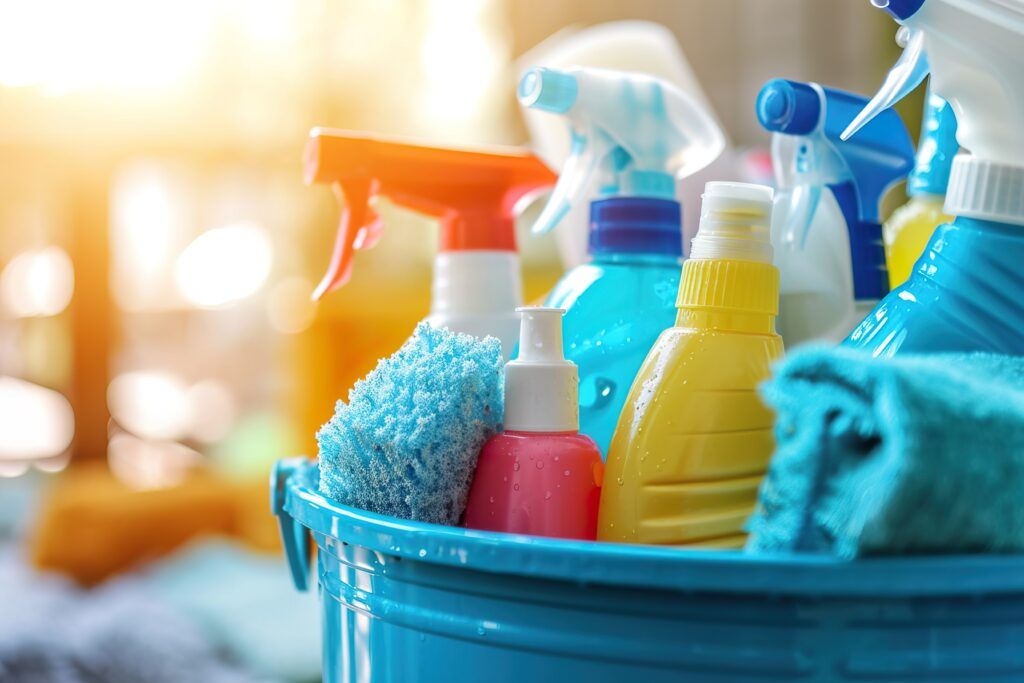
To execute a successful final cleaning, a variety of tools and equipment are essential. High-quality vacuums equipped with HEPA filters are crucial for capturing fine dust particles that can linger after construction. Additionally, microfiber cloths and mops are preferred for their ability to trap dirt without spreading it around.
For hard-to-reach areas, extension poles and ladders may be necessary to ensure that every surface is cleaned thoroughly. In addition to these basic tools, specialized equipment such as steam cleaners can be beneficial for deep cleaning carpets and upholstery. For windows, squeegees and glass cleaners are essential to achieve a streak-free finish.
It’s also important to have biodegradable cleaners on hand, as they are effective and environmentally friendly, aligning with modern sustainability practices. By utilizing the right tools and equipment, cleaning professionals can ensure that every aspect of the final cleaning process is executed efficiently and effectively.


Safety Precautions for Final Cleaning
Safety should always be a top priority during the final cleaning process. The presence of construction debris can pose various hazards, including sharp objects and unstable surfaces. Therefore, it is essential for cleaning crews to wear appropriate personal protective equipment (PPE), such as gloves, masks, and safety goggles.
This not only protects them from potential injuries but also ensures that they can work effectively without health risks. Additionally, proper training in handling cleaning chemicals is vital. While we only use biodegradable cleaners that are safer for both people and the environment, it’s still important to follow safety guidelines when using any cleaning products.
Ensuring adequate ventilation during the cleaning process is also crucial to prevent inhalation of any fumes or dust particles. By adhering to these safety precautions, cleaning teams can create a secure working environment while delivering high-quality results.
Common Challenges in Final Cleaning
Final cleaning can present several challenges that require careful management. One common issue is the presence of stubborn stains or residues that may have set during the construction process. These can include paint splatters, adhesive residues, or even rust from tools left behind.
Addressing these challenges often requires specialized techniques or products that may not be readily available to all cleaning teams. Another challenge is time management, especially in larger properties or those with extensive renovations. It’s essential to allocate sufficient time for each area to ensure thorough cleaning without rushing through tasks.
Rushing can lead to missed spots or inadequate cleaning, which ultimately undermines the quality of the final product. To mitigate these challenges, it’s advisable to work with experienced professionals who understand the intricacies of final cleaning and can navigate potential obstacles effectively.
Hiring a Professional Final Cleaning Service
When it comes to final cleaning, hiring a professional service can make all the difference in achieving optimal results. Professionals bring expertise and experience that can streamline the cleaning process and ensure that no detail is overlooked. They are equipped with advanced tools and techniques that allow them to tackle even the most challenging cleaning tasks efficiently.
Moreover, professional services often provide transparency regarding their processes and pricing structures. This commitment to quality ensures that clients know exactly what to expect from their final cleaning service. For office or commercial spaces, it’s important to note that we service buildings up to 10,000 square feet only, allowing us to focus on delivering exceptional results within this scope.
By entrusting final cleaning to professionals, builders and property managers can save time and resources while ensuring their properties are impeccably prepared for occupancy.
DIY Tips for Final Cleaning
For those considering a DIY approach to final cleaning, there are several tips that can help achieve satisfactory results. First and foremost, creating a detailed checklist can guide you through each step of the process and ensure nothing is overlooked. This checklist should include tasks such as dusting surfaces, vacuuming floors, and sanitizing bathrooms and kitchens.
Additionally, it’s important to gather all necessary supplies before starting the cleaning process. Having everything on hand will prevent interruptions and allow for a more efficient workflow. When tackling stubborn stains or residues, consider using natural solutions like vinegar or baking soda as effective alternatives to harsh chemicals.
Finally, don’t hesitate to ask for help if needed; enlisting friends or family members can make the task more manageable and enjoyable.
Final Cleaning Checklist for Builders
A comprehensive final cleaning checklist is an invaluable tool for builders looking to ensure their properties are ready for occupancy. This checklist should include key tasks such as removing all construction debris from both interior and exterior spaces, dusting all surfaces including walls and ceilings, and thoroughly cleaning windows inside and out. Special attention should be given to kitchens and bathrooms where sanitization is critical.
In addition to these tasks, it’s important to check for any remaining paint splatters or adhesive residues on surfaces and address them accordingly. Floors should be vacuumed and mopped to remove any dust or dirt left behind from construction activities. Finally, conducting a walkthrough after completing the checklist can help identify any areas that may need additional attention before handing over the property.
Environmental Considerations in Final Cleaning
In today’s environmentally conscious world, it’s essential to consider the ecological impact of final cleaning practices. Using biodegradable cleaners not only ensures effective cleaning but also minimizes harm to the environment. These products break down naturally without leaving harmful residues that could affect air quality or water sources.
Additionally, implementing waste reduction strategies during the final cleaning process can further enhance environmental sustainability. This includes recycling materials whenever possible and properly disposing of any hazardous waste generated during construction activities. By prioritizing eco-friendly practices in final cleaning, builders and property managers can contribute positively to their communities while maintaining high standards of cleanliness.
Time and Cost Considerations for Final Cleaning
Time and cost are critical factors in planning for final cleaning services. The duration of the cleaning process can vary significantly based on the size of the property and the extent of work completed during construction or renovation. It’s important to allocate sufficient time for thorough cleaning without compromising quality; rushing through tasks can lead to unsatisfactory results.
Cost considerations also play a vital role in decision-making when it comes to hiring professional services versus opting for DIY methods. While professional services may involve higher upfront costs, they often save time and provide superior results that can enhance property value in the long run. Understanding these time and cost dynamics allows builders and property managers to make informed decisions that align with their project goals.
Benefits of a Thorough Final Cleaning Process
A thorough final cleaning process offers numerous benefits that extend beyond mere aesthetics. First and foremost, it creates a safe environment for new occupants by eliminating dust, debris, and potential hazards left behind from construction activities. This attention to detail fosters positive impressions among potential buyers or tenants who expect high standards in their living or working spaces.
Furthermore, investing in a comprehensive final cleaning can enhance the longevity of building materials by preventing damage caused by residual dust or grime. It also reflects professionalism on behalf of builders and property managers, showcasing their commitment to quality and transparency throughout the construction process. Ultimately, a meticulous final cleaning not only prepares properties for occupancy but also contributes positively to their overall value in an increasingly competitive market like Santa Clara County.
FAQs
What is final cleaning in the context of construction?
Final cleaning in the context of construction refers to the thorough cleaning of a construction site once all the building work has been completed. This includes removing debris, dust, and any other construction-related waste to prepare the site for turnover to the client or for the next phase of the project.
Why is final cleaning important in construction?
Final cleaning is important in construction because it ensures that the site is safe, clean, and ready for turnover. It also helps to present a professional image to the client and ensures that the final product is presented in the best possible light.
What does final cleaning typically involve?
Final cleaning typically involves a thorough cleaning of the entire construction site, including removing debris, dusting and wiping down surfaces, cleaning windows, and ensuring that all areas are free from construction-related waste.
Who is responsible for final cleaning in construction projects?
The responsibility for final cleaning in construction projects can vary depending on the project and the contractual agreements in place. It may be the responsibility of the general contractor, subcontractors, or a professional cleaning company hired specifically for this purpose.
What are the benefits of hiring a professional cleaning company for final cleaning?
Hiring a professional cleaning company for final cleaning can ensure that the job is done thoroughly and efficiently. Professional cleaners have the expertise and equipment to tackle the specific cleaning needs of a construction site, saving time and ensuring a high-quality result.