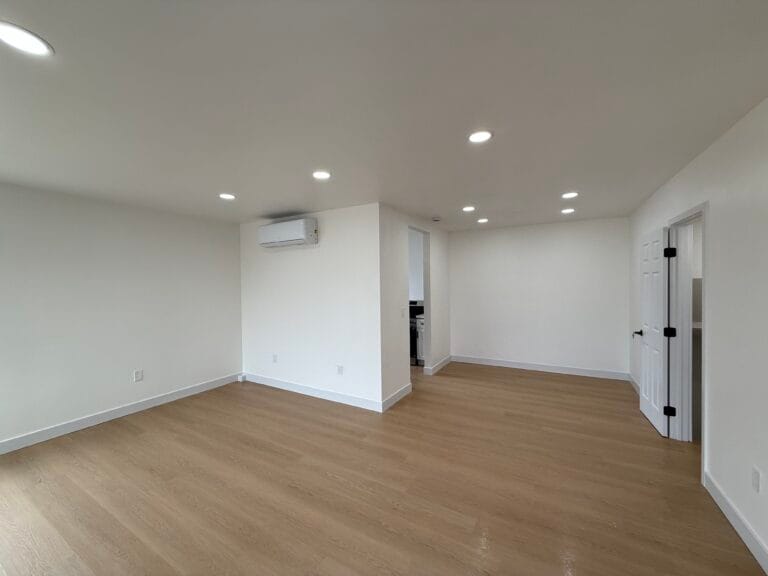
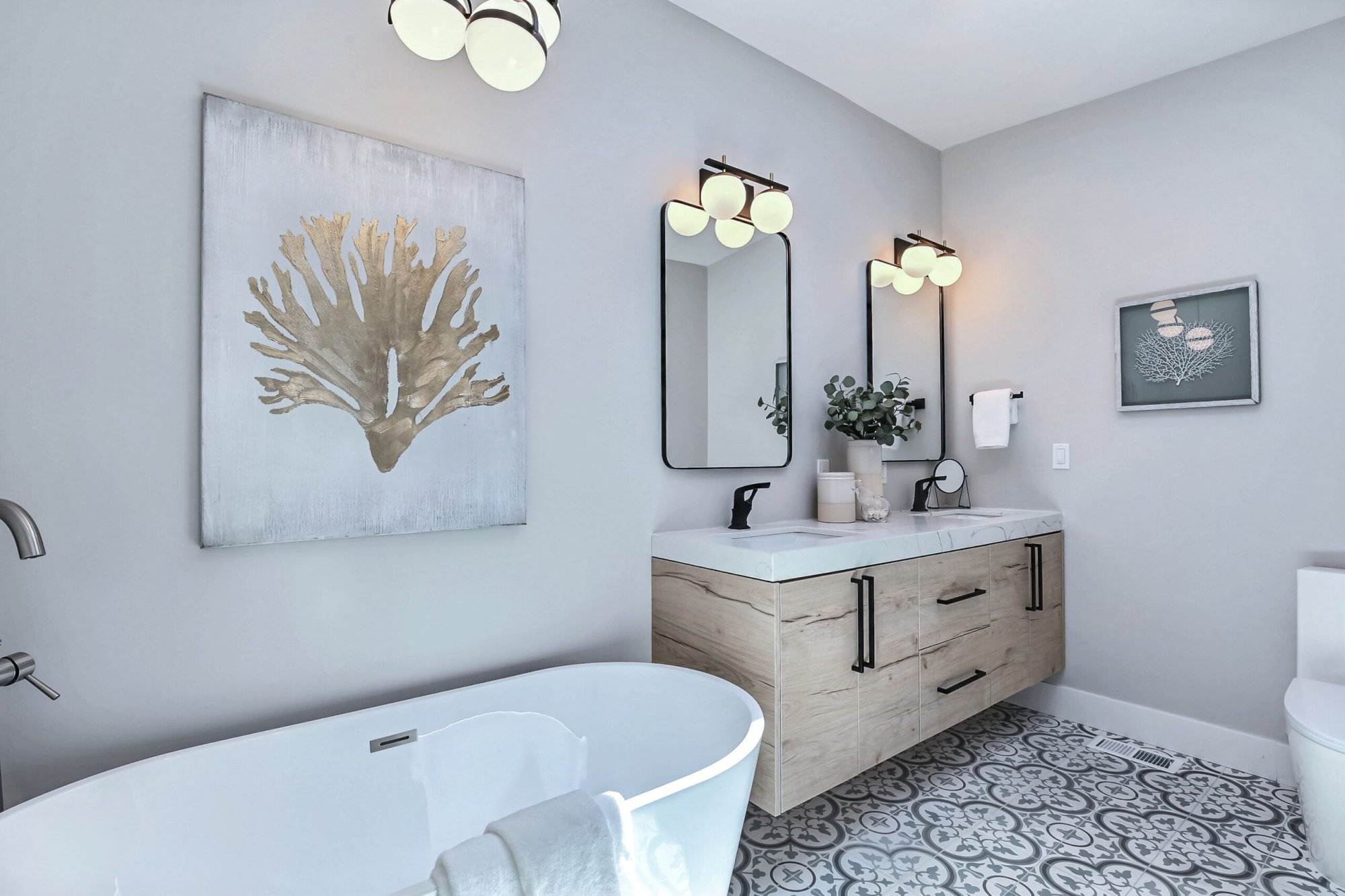
Post-renovation cleaning is a crucial step that often gets overlooked in the excitement of a newly remodeled space. After the dust settles and the last nail is hammered in, the area may look visually appealing, but it is far from ready for use. The importance of thorough cleaning cannot be overstated, as it ensures that the space is not only aesthetically pleasing but also safe and healthy for occupants.
Renovations can leave behind a significant amount of dust, debris, and potentially harmful particles that can affect air quality and overall well-being. A comprehensive cleaning process helps eliminate these hazards, making the environment more inviting and livable. Moreover, post-renovation cleaning plays a vital role in maintaining the integrity of the newly installed materials and finishes.
Many surfaces, such as countertops, floors, and cabinetry, can be easily damaged by leftover construction materials or improper cleaning techniques. By investing time and effort into a meticulous cleaning process, property owners can protect their investment and ensure that their newly renovated space remains in pristine condition for years to come. This attention to detail not only enhances the visual appeal but also contributes to the longevity of the renovations.


Key Takeaways
- Post-renovation cleaning is crucial for the safety and aesthetics of a remodeled space.
- Cleaning up post-renovation dust and debris can be challenging and time-consuming.
- Essential tools and supplies for post-renovation cleaning include vacuum cleaners, microfiber cloths, and HEPA filters.
- Detail cleaning is important to ensure that every nook and cranny of a remodeled space is thoroughly cleaned.
- Tips for cleaning hard-to-reach areas after renovation include using extension tools and cleaning solutions.
The Challenges of Cleaning Up Post-Renovation Dust and Debris
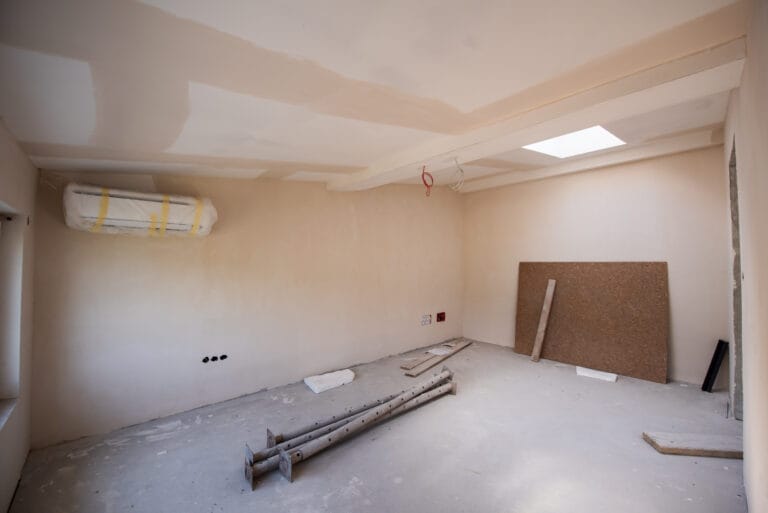
Cleaning up after a renovation presents unique challenges that require careful consideration and planning. One of the most significant hurdles is the sheer volume of dust and debris generated during construction. This fine dust can infiltrate every nook and cranny, settling on surfaces that may seem clean at first glance.
It can be particularly troublesome for individuals with allergies or respiratory issues, as inhaling this dust can lead to health complications. Therefore, addressing this challenge effectively is paramount to ensuring a safe environment. Another challenge lies in the variety of materials used during renovations.
Different surfaces require different cleaning methods and products, which can complicate the process. For instance, while some surfaces may tolerate strong chemical cleaners, others may require gentle, biodegradable options to avoid damage. Additionally, the presence of leftover construction materials such as paint splatters, adhesive residues, and sawdust can necessitate specialized cleaning techniques.
Understanding these challenges is essential for achieving a thorough and effective post-renovation clean.


Essential Tools and Supplies for Post-Renovation Cleaning
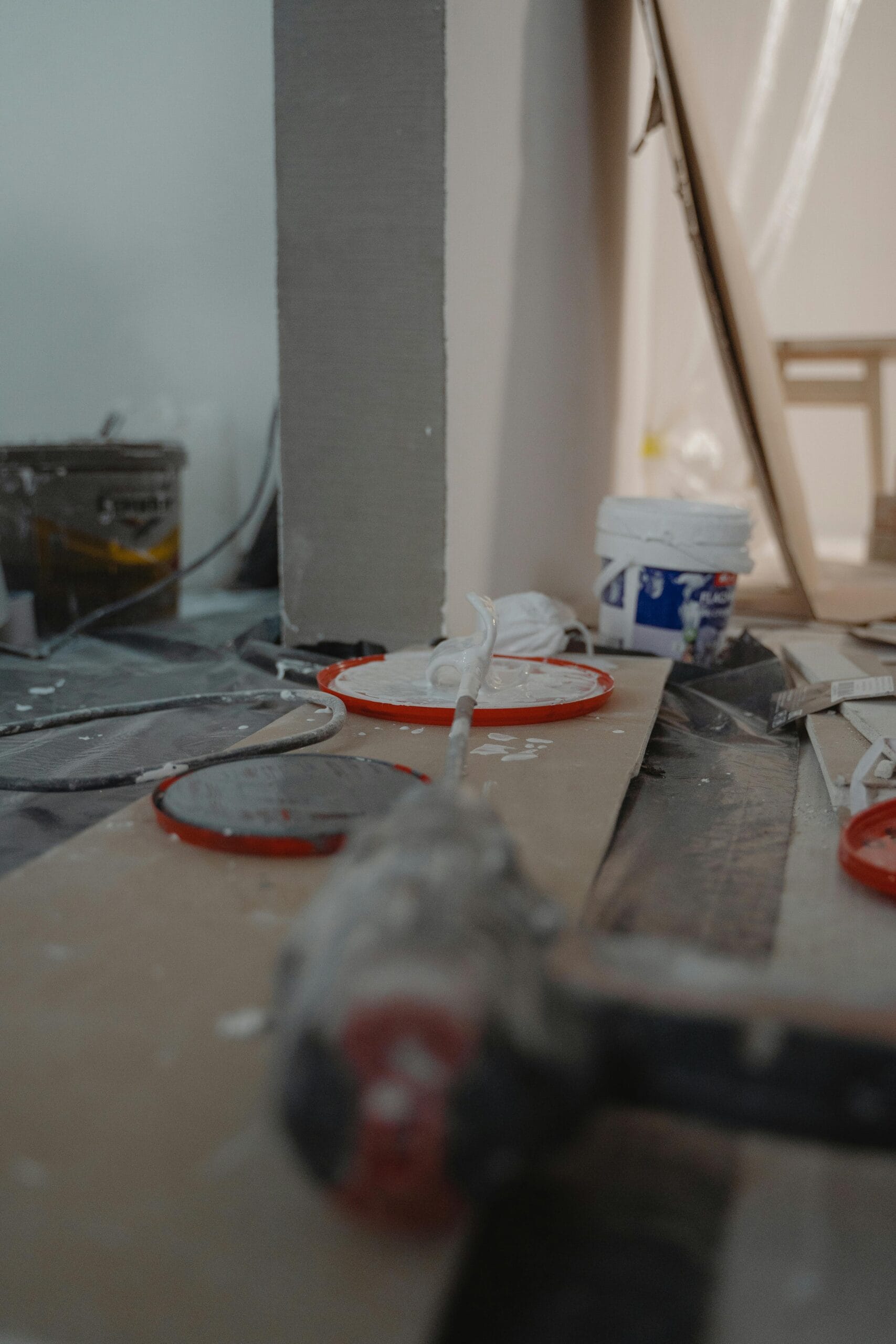
Equipping oneself with the right tools and supplies is fundamental to executing an effective post-renovation cleaning. A well-stocked cleaning kit should include high-quality microfiber cloths, brooms, mops, vacuum cleaners with HEPA filters, and various biodegradable cleaners that are safe for both the environment and the surfaces being cleaned. Microfiber cloths are particularly effective at trapping dust and dirt without scratching surfaces, making them an essential item in any post-renovation cleaning arsenal.
In addition to basic cleaning supplies, specialized tools may be necessary for tackling specific tasks. For example, a putty knife can be invaluable for scraping off stubborn paint or adhesive residues from surfaces. A steam cleaner can also be beneficial for deep-cleaning carpets or upholstery that may have absorbed dust during the renovation process.
By having a comprehensive selection of tools at hand, property owners can ensure that they are well-prepared to address any cleaning challenge that arises.
The Importance of Detail Cleaning in a Remodeled Space
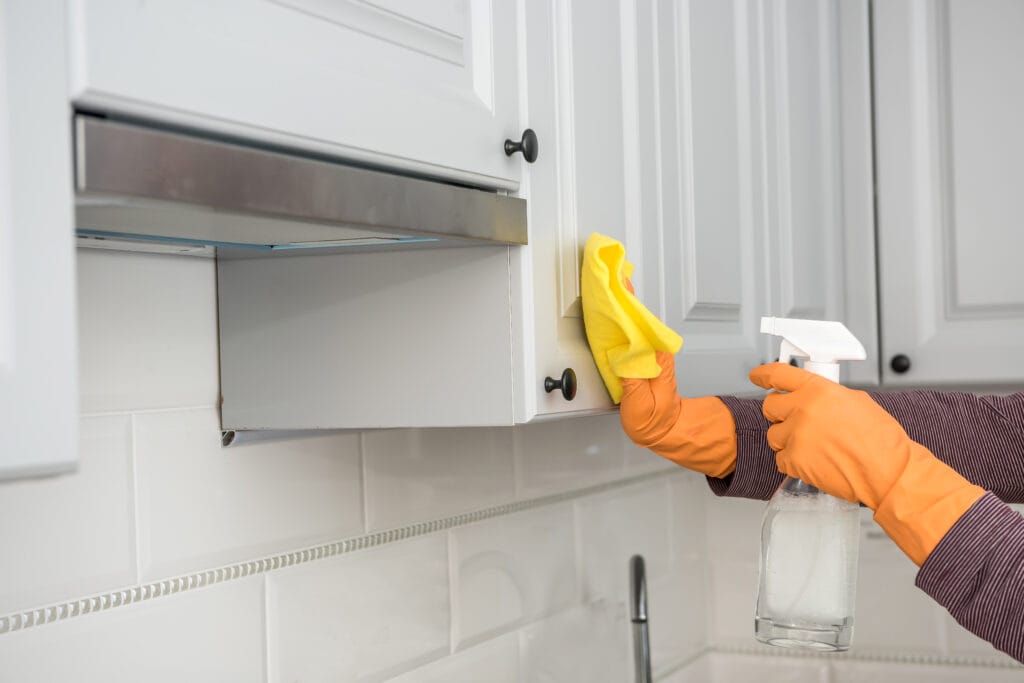
Detail cleaning is an integral part of post-renovation cleanup that focuses on those often-overlooked areas that can significantly impact the overall cleanliness of a space. While sweeping and vacuuming may remove visible debris, detail cleaning delves deeper into crevices, corners, and hidden spaces where dust tends to accumulate. This level of thoroughness is essential for achieving a truly clean environment that feels fresh and inviting.
Furthermore, detail cleaning helps highlight the beauty of newly renovated spaces. By ensuring that every surface is spotless and free from dust or smudges, property owners can fully appreciate the craftsmanship and design elements of their renovations. This attention to detail not only enhances the aesthetic appeal but also creates a sense of pride in the newly transformed space.
Ultimately, investing time in detail cleaning pays off by elevating the overall experience of living or working in a remodeled environment.

Tips for Cleaning Hard-to-Reach Areas After Renovation
Cleaning hard-to-reach areas after a renovation can be particularly challenging but is essential for achieving a comprehensive clean. One effective strategy is to utilize extension tools that allow access to high or awkward spaces without risking injury or damage to surfaces. For instance, using an extendable duster can help remove dust from ceiling fans or light fixtures without the need for a ladder.
Additionally, employing a vacuum cleaner with various attachments can make it easier to clean tight spaces such as behind appliances or inside cabinets. A crevice tool attachment is especially useful for reaching narrow gaps where dust tends to accumulate. By being resourceful and using the right tools, property owners can ensure that even the most challenging areas are thoroughly cleaned after renovation.
Addressing Specific Cleaning Needs for Different Types of Renovations
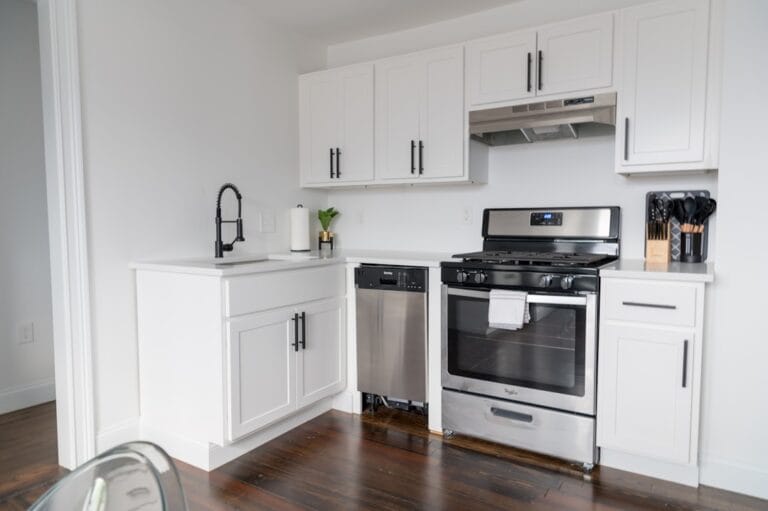
Different types of renovations come with their own unique cleaning requirements. For instance, kitchen remodels often involve extensive work with materials like tile, wood, and stainless steel, each requiring specific cleaning methods to avoid damage. In contrast, bathroom renovations may leave behind moisture-related issues such as mold or mildew that necessitate targeted cleaning solutions.
Understanding these specific needs is crucial for effective post-renovation cleanup. For example, when dealing with tile surfaces in kitchens or bathrooms, it’s important to use appropriate cleaners that won’t harm grout or sealants. Similarly, when addressing wood surfaces, gentle biodegradable cleaners should be prioritized to maintain their finish.
By tailoring cleaning approaches to the type of renovation completed, property owners can ensure optimal results.
/
Dealing with Residual Odors and Smells After Renovation
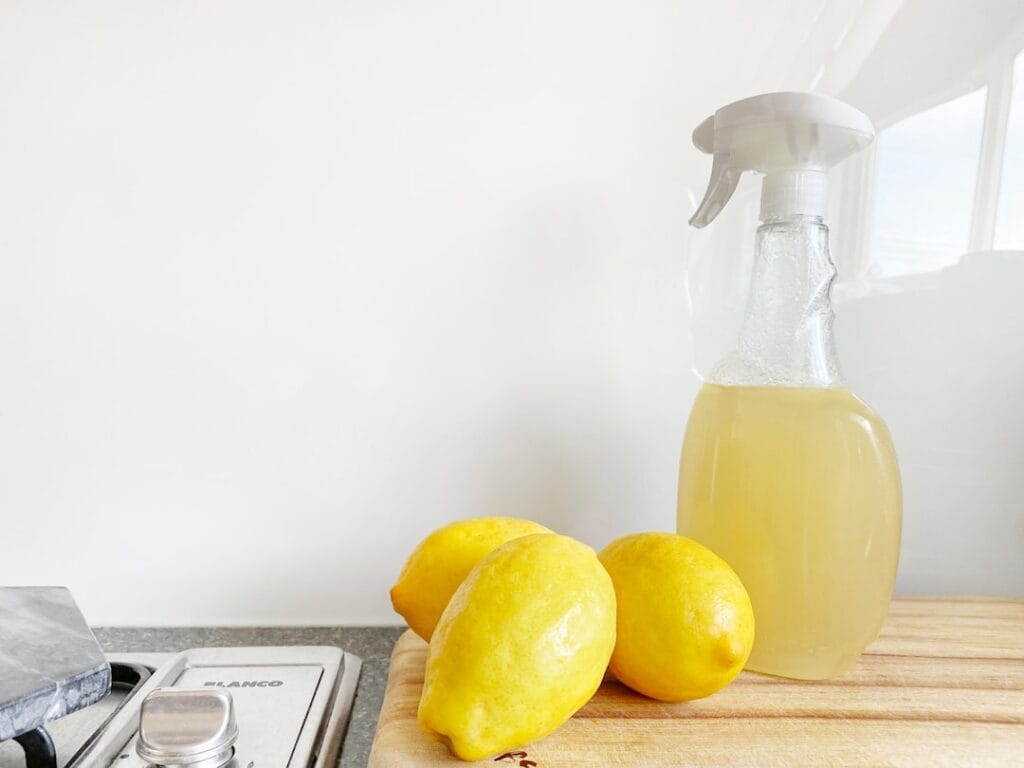
Residual odors are another common issue following renovations that can detract from the enjoyment of a newly remodeled space. These smells often stem from materials used during construction, such as paint, adhesives, or varnishes. Addressing these odors effectively requires a multi-faceted approach that includes proper ventilation and the use of odor-neutralizing products.
One effective method for eliminating residual odors is to increase airflow within the space by opening windows and using fans to circulate fresh air. Additionally, incorporating natural odor absorbers like baking soda or activated charcoal can help neutralize unpleasant smells over time. It’s important to be patient during this process, as some odors may take longer to dissipate than others.
By taking proactive steps to address residual smells, property owners can create a more pleasant living or working environment.
Protecting Newly Renovated Surfaces During the Cleaning Process
Protecting newly renovated surfaces during the cleaning process is essential to avoid unintentional damage. Many surfaces are delicate and can be easily scratched or marred by abrasive cleaners or tools. To safeguard these finishes, it’s crucial to use gentle biodegradable cleaners specifically designed for each surface type.
Additionally, using soft cloths or sponges rather than rough scrubbing pads can help prevent scratches while still effectively removing dirt and grime. When moving furniture or appliances during cleaning, it’s wise to use protective pads or blankets to avoid scuffing floors or damaging walls. By taking these precautions, property owners can ensure that their newly renovated spaces remain in pristine condition throughout the cleaning process.
Hiring Professional Cleaners for Post-Renovation Cleanup
While some property owners may choose to tackle post-renovation cleaning themselves, hiring professional cleaners can offer numerous advantages. Professionals bring expertise and experience to the table, ensuring that every aspect of the cleanup is handled efficiently and effectively. They are equipped with specialized tools and high-quality biodegradable cleaners that may not be readily available to the average homeowner.
Moreover, professional cleaners understand the nuances of different materials and surfaces used in renovations, allowing them to tailor their approach accordingly. This level of knowledge helps prevent damage while achieving optimal results in terms of cleanliness and hygiene. For those looking to save time and ensure a thorough clean after renovations, enlisting the help of professionals can be a wise investment.
Creating a Maintenance Plan for Keeping a Remodeled Space Clean
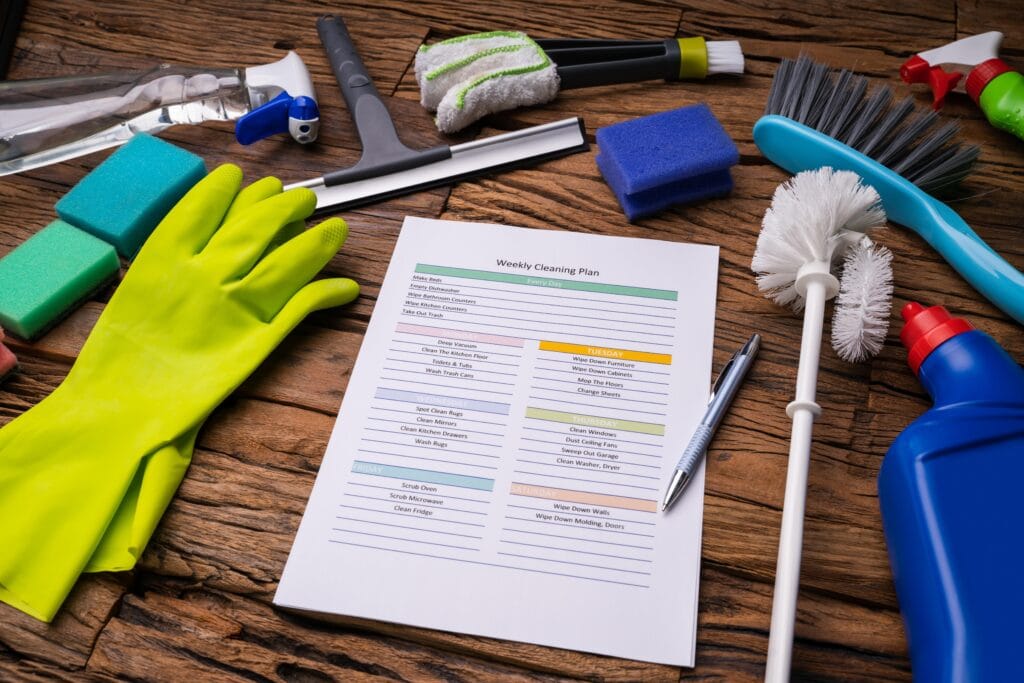
Once post-renovation cleaning has been completed, establishing a maintenance plan is essential for keeping the space looking its best over time. Regular upkeep not only preserves the beauty of renovations but also prevents dirt and grime from accumulating in hard-to-reach areas. A well-structured maintenance plan should include routine cleaning schedules tailored to the specific needs of each area within the remodeled space.
Incorporating simple daily habits such as wiping down surfaces after use or promptly addressing spills can go a long way in maintaining cleanliness. Additionally, scheduling deeper cleans on a monthly or seasonal basis ensures that every corner receives attention over time. By committing to a maintenance plan, property owners can enjoy their newly renovated spaces without the stress of ongoing messes.
Final Inspections and Touch-Ups After Post-Renovation Cleaning
After completing post-renovation cleaning, conducting final inspections and touch-ups is crucial for ensuring that no detail has been overlooked. This step allows property owners to assess the effectiveness of the cleaning process and identify any areas that may require additional attention before fully utilizing the space. A thorough walkthrough helps catch any lingering dust or debris that may have been missed during initial cleaning efforts.
If walkthroughs are not feasible due to scheduling conflicts or other constraints, sharing photos and notes via Google Drive can serve as an effective alternative for communication between property managers or builders and their clients. This transparency fosters trust and ensures that all parties are satisfied with the final results before moving forward with occupancy or usage of the remodeled space. By prioritizing final inspections and touch-ups, property owners can confidently enjoy their newly renovated environments knowing they are clean and ready for use.
FAQs
What is remodel cleaning?
Remodel cleaning is the process of thoroughly cleaning a space after a renovation or remodeling project has been completed. This includes removing dust, debris, and any leftover materials from the construction process.
Why is remodel cleaning important?
Remodel cleaning is important to ensure that the newly renovated space is clean, safe, and ready for use. It helps to remove any dust or debris that may have accumulated during the construction process, and ensures that the space is in pristine condition for the occupants.
What does post-renovation dust and detail cleaning involve?
Post-renovation dust and detail cleaning involves a thorough cleaning of the entire space, including dusting all surfaces, vacuuming and mopping floors, cleaning windows and fixtures, and removing any construction debris or leftover materials.
Why should I hire professional cleaners for remodel cleaning?
Hiring professional cleaners for remodel cleaning ensures that the job is done thoroughly and efficiently. Professional cleaners have the necessary equipment and expertise to tackle post-renovation cleaning tasks, and can ensure that the space is left spotless and ready for use.
How can I find a reliable remodel cleaning service in Saratoga?
To find a reliable remodel cleaning service in Saratoga, you can ask for recommendations from friends or family, search online for local cleaning companies, and read reviews from previous customers. It’s important to choose a reputable and experienced cleaning service to ensure the best results.