Final cleaning is a crucial step in the construction and renovation process, particularly in Santa Clara, where the demand for pristine spaces is high. This phase not only enhances the aesthetic appeal of a property but also ensures that it meets the health and safety standards required for occupancy. A thorough final cleaning removes dust, debris, and any residues left from construction activities, creating a welcoming environment for future occupants.
In a competitive real estate market, properties that are clean and well-presented are more likely to attract buyers or tenants quickly. Moreover, final cleaning plays a significant role in maintaining the integrity of the building materials and finishes. Residual construction dust can damage surfaces and fixtures if not properly addressed.
For instance, fine dust can scratch glass and dull finishes, leading to costly repairs or replacements. By investing in professional final cleaning services, builders and property managers can ensure that their projects are completed to the highest standards, ultimately enhancing their reputation and client satisfaction.


Key Takeaways
- Final cleaning is crucial in Santa Clara to ensure that construction projects are completed to the highest standards and ready for turnover to clients or occupants.
- Builders play a key role in final cleaning by coordinating and overseeing the cleaning process to meet turnover requirements and ensure a smooth transition.
- Turnover requirements must be clearly understood and followed to meet client expectations and ensure a successful project handover.
- Using the right tools and equipment is essential for efficient and effective final cleaning, including vacuum cleaners, pressure washers, and specialized cleaning solutions.
- Safety measures such as wearing protective gear, following proper cleaning procedures, and addressing potential hazards are essential for a safe and successful final cleaning process.
The Role of Builders in Final Cleaning
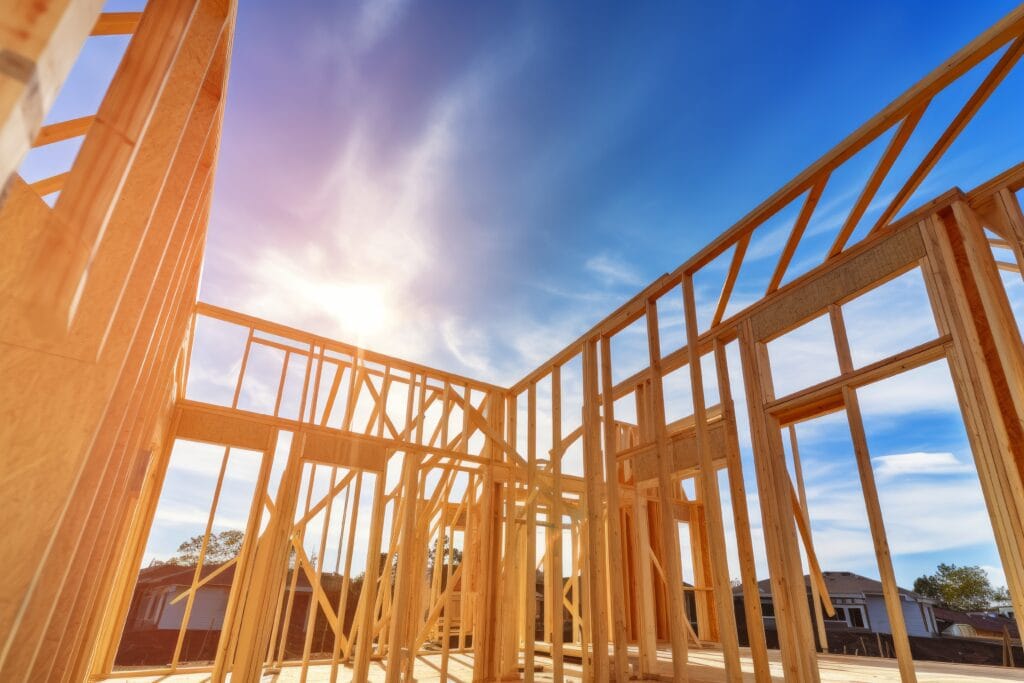
Builders play a pivotal role in the final cleaning process, as they are responsible for ensuring that the construction site is ready for this essential phase. Their involvement begins with proper planning and scheduling, which includes allocating time for final cleaning within the overall project timeline. Builders must recognize that final cleaning is not merely an afterthought but an integral part of delivering a quality product to clients.
By prioritizing this step, builders can significantly improve the overall outcome of their projects. Additionally, builders must communicate effectively with cleaning professionals to ensure that all specific requirements are met. This includes providing access to the site, sharing any special instructions regarding materials or finishes, and discussing any potential challenges that may arise during the cleaning process.
By fostering a collaborative relationship with cleaning teams, builders can help facilitate a smoother transition from construction to occupancy, ultimately leading to a successful project completion.
Understanding Turnover Requirements
Turnover requirements are critical for ensuring that a property is ready for its new occupants. These requirements often vary based on local regulations, client expectations, and the type of property being cleaned. In Santa Clara, property managers and builders must be well-versed in these requirements to avoid delays and ensure compliance.
Understanding what is expected during the turnover process can help streamline operations and enhance overall efficiency. For instance, specific cleaning tasks may be mandated by local health codes or industry standards. This could include deep cleaning of kitchens and bathrooms, sanitizing high-touch surfaces, and ensuring that all areas are free from construction debris.
By familiarizing themselves with these requirements, builders and property managers can better prepare for the final cleaning phase and ensure that their properties meet all necessary standards before occupancy.
Tools and Equipment for Final Cleaning
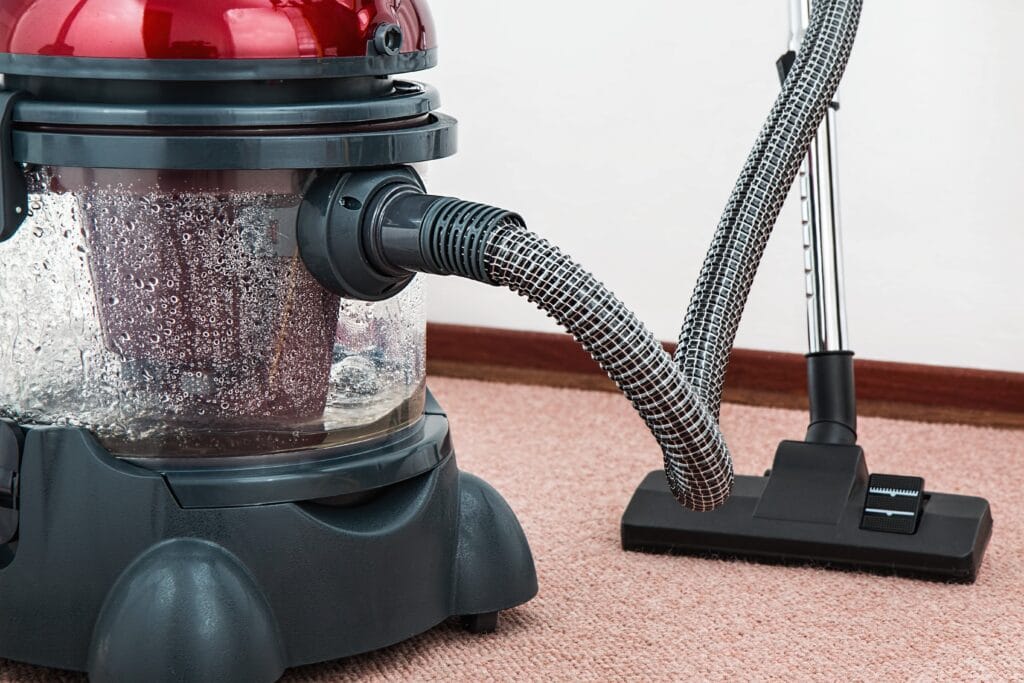
The effectiveness of final cleaning largely depends on the tools and equipment used during the process. Professional cleaning services typically employ a range of specialized tools designed to tackle various surfaces and materials found in newly constructed or renovated spaces. For example, high-efficiency particulate air (HEPA) vacuums are essential for capturing fine dust particles that can linger after construction work is completed.
These vacuums help maintain air quality while ensuring that surfaces are thoroughly cleaned. In addition to vacuums, other essential tools include microfiber cloths, scrub brushes, and steam cleaners. Microfiber cloths are particularly effective at trapping dust and dirt without scratching surfaces, making them ideal for delicate finishes.
Scrub brushes can be used to tackle stubborn stains or residues on floors and walls, while steam cleaners provide a chemical-free option for sanitizing surfaces. By utilizing the right tools and equipment, cleaning professionals can deliver a comprehensive final cleaning service that meets the high standards expected in Santa Clara.
Safety Measures for Final Cleaning
Safety is paramount during the final cleaning process, especially in environments where construction work has recently taken place. Cleaning professionals must adhere to strict safety protocols to protect themselves and others on-site. This includes wearing appropriate personal protective equipment (PPE) such as gloves, masks, and safety goggles to minimize exposure to dust and potentially hazardous materials.
Furthermore, it is essential to conduct a thorough assessment of the site before commencing cleaning activities. This assessment should identify any potential hazards such as exposed wiring, sharp objects, or slippery surfaces. By addressing these risks proactively, cleaning teams can ensure a safer working environment.
Additionally, proper ventilation should be maintained during the cleaning process to prevent the buildup of dust and fumes, further enhancing safety for all individuals involved.
Best Practices for Final Cleaning
Developing a Comprehensive Cleaning Checklist
One key practice is to develop a comprehensive cleaning checklist that outlines all tasks to be completed. This checklist serves as a guide for cleaning teams, ensuring that no area is overlooked and that all client expectations are met. It also provides transparency for builders and property managers who wish to review the progress of the cleaning process.
Scheduling Walkthroughs with Clients
Another best practice is to schedule walkthroughs with clients whenever possible. These walkthroughs allow clients to inspect the work completed and provide feedback on any areas that may require additional attention.
Maintaining Communication and Transparency
If a walkthrough is not feasible, sharing photos and notes via Google Drive can serve as an effective alternative for maintaining communication and transparency throughout the process.
Addressing Specific Areas in Final Cleaning
Final cleaning involves addressing specific areas that require special attention due to their unique characteristics or usage. For example, kitchens and bathrooms often demand more intensive cleaning due to their high levels of use and potential for contamination. In kitchens, it is essential to clean appliances thoroughly, including ovens, refrigerators, and dishwashers, while also sanitizing countertops and sinks.
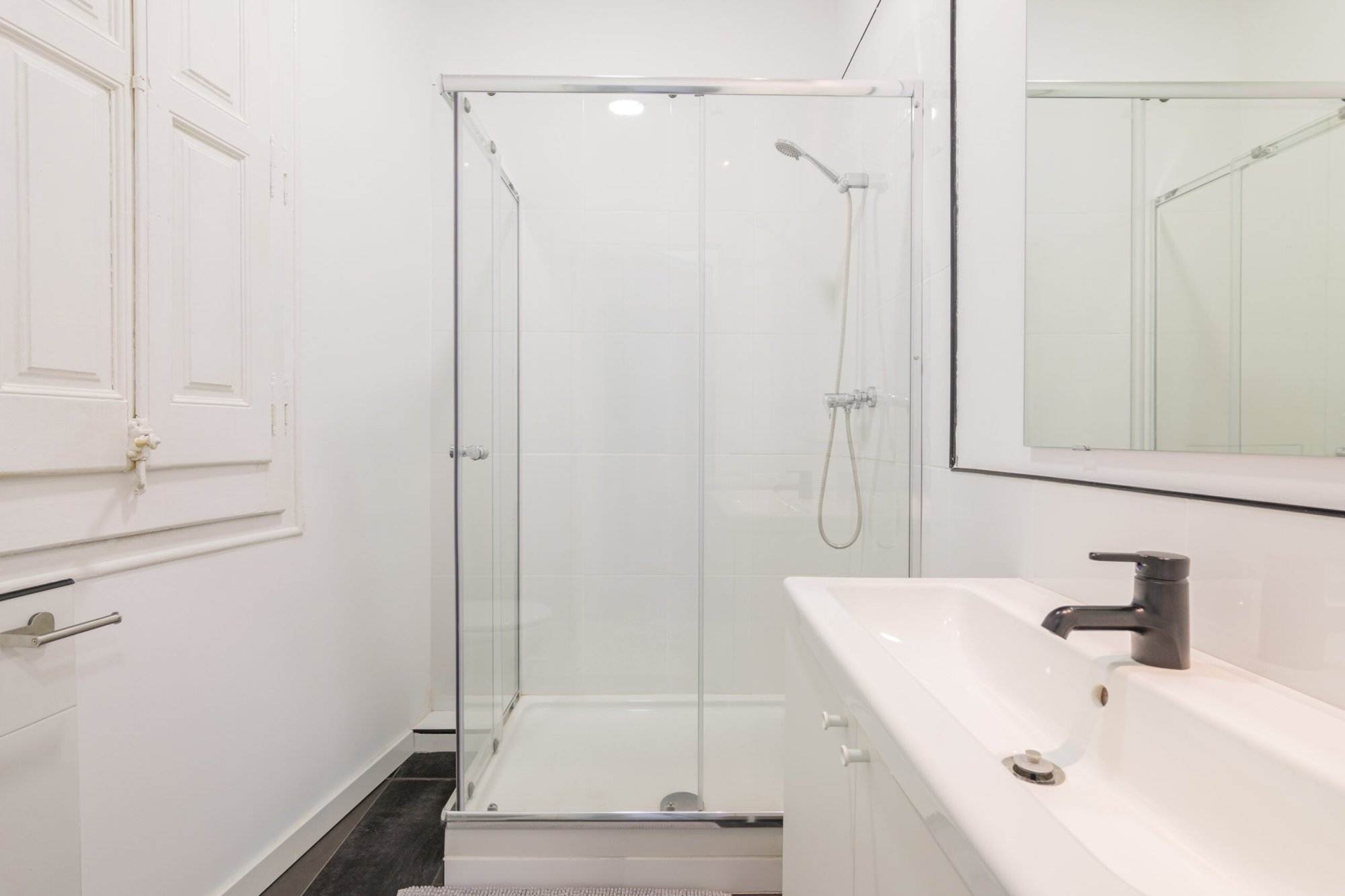
Similarly, bathrooms require meticulous attention to detail. This includes scrubbing tiles, disinfecting toilets, and ensuring that mirrors are streak-free. By focusing on these specific areas during final cleaning, professionals can ensure that every aspect of the property is ready for occupancy and meets health standards.
Dealing with Construction Debris and Waste
Construction debris and waste management is a critical component of final cleaning. Properly addressing debris not only enhances the appearance of the property but also ensures compliance with local regulations regarding waste disposal. Cleaning teams must be equipped to handle various types of debris, including wood scraps, drywall remnants, and packaging materials.
Effective waste management involves sorting materials for recycling or disposal according to local guidelines. Builders should collaborate with cleaning professionals to establish a plan for debris removal prior to the final cleaning phase. This proactive approach helps streamline operations and ensures that the site is left clean and free from hazards.

Final Inspections and Quality Control
Final inspections are an essential part of the final cleaning process, serving as a quality control measure to ensure that all tasks have been completed satisfactorily. These inspections should be conducted by both cleaning professionals and builders or property managers to verify that all areas meet established standards. During this inspection phase, any deficiencies can be identified and addressed promptly.
Quality control measures should also include feedback mechanisms that allow clients to express their satisfaction with the final cleaning service provided. This feedback can be invaluable for continuous improvement efforts within the cleaning team and helps maintain high standards across all projects.
Communication and Coordination with Other Trades
Effective communication and coordination with other trades involved in the construction process are vital for successful final cleaning outcomes. Builders must ensure that all trades are aware of the final cleaning schedule so that they can complete their work without interfering with this critical phase. This coordination helps prevent delays and ensures that cleaning teams have access to all areas requiring attention.
Additionally, maintaining open lines of communication allows for quick resolution of any issues that may arise during the final cleaning process. For instance, if unexpected repairs or adjustments are needed after initial cleanings have begun, timely communication can help mitigate disruptions and keep the project on track.
Tips for a Smooth Turnover Process
To facilitate a smooth turnover process after final cleaning is completed, builders and property managers should consider several key strategies. First, establishing clear timelines for each phase of construction and cleaning helps set expectations for all parties involved. This clarity allows everyone to plan accordingly and minimizes potential conflicts.
Second, providing detailed information about turnover requirements upfront can help avoid misunderstandings later in the process. By ensuring that all stakeholders are on the same page regarding expectations for cleanliness and readiness for occupancy, builders can enhance client satisfaction while streamlining operations. In conclusion, final cleaning is an essential aspect of construction projects in Santa Clara that requires careful planning, execution, and collaboration among various stakeholders.
By understanding its importance, addressing specific requirements, utilizing appropriate tools, implementing safety measures, adhering to best practices, managing debris effectively, conducting thorough inspections, coordinating with other trades, and following tips for smooth turnover processes, builders can ensure successful project completions that meet client expectations while maintaining high standards of quality and transparency throughout every step of the process.
FAQs
What is final cleaning in the context of construction?
Final cleaning in the context of construction refers to the thorough cleaning of a construction site once all the building work has been completed. This includes removing debris, dust, and any other construction-related mess to prepare the site for turnover to the client or for occupation.
Why is final cleaning important in construction?
Final cleaning is important in construction because it ensures that the site is safe, clean, and presentable for turnover to the client or for occupation. It also helps to create a positive impression and ensures that the space is ready for immediate use.
What does final cleaning in Santa Clara entail?
Final cleaning in Santa Clara typically involves a comprehensive cleaning of the entire construction site, including the removal of construction debris, dusting and cleaning of all surfaces, cleaning of windows, and any other necessary cleaning tasks to ensure the site is ready for turnover.
Who is responsible for final cleaning in construction projects?
The responsibility for final cleaning in construction projects can vary depending on the contractual agreements between the parties involved. In some cases, the general contractor may be responsible for arranging the final cleaning, while in other cases, it may be the responsibility of the client or a professional cleaning service.
What are the benefits of hiring a professional cleaning service for final cleaning?
Hiring a professional cleaning service for final cleaning can ensure that the job is done thoroughly and efficiently. Professional cleaners have the expertise and equipment to tackle the specific cleaning needs of a construction site, saving time and ensuring a high standard of cleanliness.